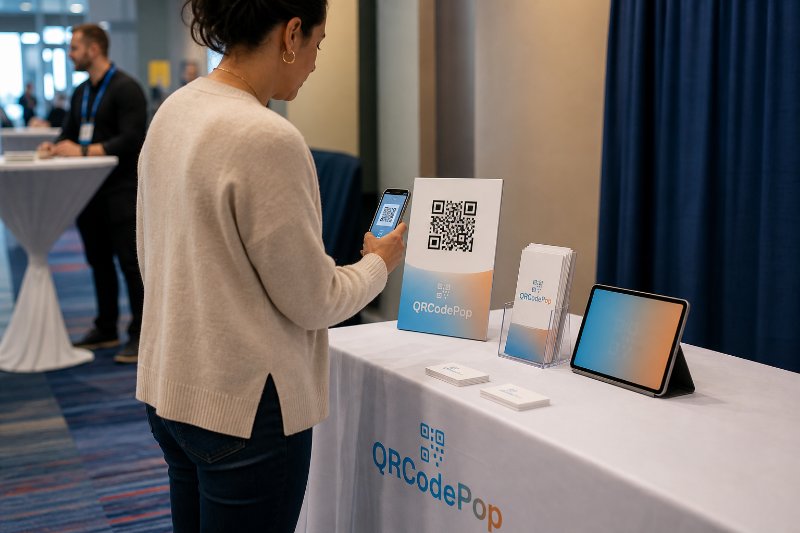
Marketing QR Codes vs Flyers in Paramus NJ

QRCodePop
A customer sees your sign, flyer, table card, postcard, product tag, or event display. They are interested, but interest fades fast if the next step is hard. That is why marketing QR codes in Paramus, NJ are useful for small businesses that want to turn offline attention into online action without asking people to type a web address or search for a brand later.
For local retailers, restaurants, service providers, fitness studios, nonprofits, and event organizers in Paramus, the value is simple: a scan can open the exact next step you want, such as a coupon, booking page, menu, signup form, review link, video, social profile, or payment page. QRCodePop helps businesses create codes that are not just scannable, but measurable, editable, and designed to support real campaigns.
The best results do not come from placing a random square on a flyer and hoping people scan it. They come from planning the offer, choosing the right QR code type, designing for trust, and tracking what happens after the scan. This guide breaks down how to use Paramus, NJ marketing QR codes as practical campaign tools, not digital decoration.
How Marketing QR Codes Turn Attention Into Action
A QR code is a bridge between a physical touchpoint and a digital destination. The physical piece creates the moment of interest. The QR code removes friction. The destination completes the action.
That sequence matters because most customers will not work hard to respond to a marketing message. If they have to remember a URL, search online, or manually enter a promo code, many will drop off. A strong QR campaign gives them one clear next step.
What a marketing QR code can connect to
Marketing QR codes for Paramus, NJ campaigns can support many goals, including:
Opening a limited-time coupon or seasonal promotion
Sending visitors to a booking or appointment form
Launching a digital menu, product catalog, or lookbook
Collecting email or SMS subscribers
Driving reviews after a purchase or service visit
Sending traffic to a social media profile or video
Registering attendees for an event
Sharing directions, contact details, or store hours
The main idea is not “use a QR code.” The idea is “make the next step effortless.” That shift is what separates a useful code from one that gets ignored.
Static vs. dynamic QR codes
There are two broad types of QR codes: static and dynamic.
Static QR codes store the final destination directly in the code. Once printed, the destination usually cannot be changed.
Dynamic QR codes route scans through a flexible short link, which allows the destination to be edited later without reprinting the code.
Dynamic QR codes are especially helpful for marketing because campaigns change. A spring coupon may become a summer offer. An event registration page may close and redirect to a follow-up survey. A printed postcard may stay in circulation longer than expected. Dynamic codes give businesses more control after the materials are already out in the world.
What to Plan Before You Generate a QR Code
QR code generation is easy. Strategy is where the results are won or lost. Before creating a code, decide what the scan should accomplish and how success will be measured.
Use this campaign planning checklist
Choose one goal. Do you want calls, bookings, coupon redemptions, email signups, menu views, reviews, or purchases?
Match the destination to the moment. A sidewalk sign may need a fast coupon. A receipt insert may work better for reviews or loyalty signup.
Write a clear call-to-action. “Scan to get 15% off today” is stronger than “Scan me.”
Decide whether the code needs to be editable. If the offer or page may change, use a dynamic QR code.
Design for trust. Use custom QR design, brand colors, and a logo where appropriate.
Test before printing. Scan from different phones, distances, angles, and lighting conditions.
Track results. Use scan analytics to see what is working and what needs improvement.
This process keeps the code connected to a business outcome. It also prevents a common problem: creating a code first, then trying to invent a reason for people to scan it.
Where scan analytics fit in
Scan analytics show how people interact with a QR code. Depending on the platform, businesses may be able to review scan volume, time of scan, general location signals, device type, and campaign performance trends.
That information can answer practical questions:
Which flyer design generated more scans?
Did the weekend event display outperform the counter sign?
Are customers scanning during lunch, after work, or late at night?
Is one offer attracting attention but failing to convert?
Without analytics, a business may know that a campaign “felt busy,” but not which materials actually influenced action. Scan data turns QR code marketing into something that can be improved over time.
Design Details That Make People More Likely to Scan
People scan codes they understand and trust. A QR code does not need to be complicated, but it should look intentional. Branded QR codes and thoughtful design can make the difference between a code that blends into the background and one that feels like part of the campaign.
Make the value obvious
A QR code should never stand alone without context. Add a short benefit-driven instruction near the code. For example:
“Scan for today’s lunch specials”
“Scan to book your free consultation”
“Scan to unlock the event map”
“Scan to get the coupon before checkout”
“Scan to see available appointment times”
The more specific the promise, the more likely someone is to scan. Vague labels create hesitation. Clear labels create momentum.
Use custom QR design carefully
Custom QR design can include brand colors, frames, logos, rounded patterns, and campaign-specific styling. The goal is to make the code look polished while keeping it easy to scan.
Good design choices include:
High contrast between the QR pattern and background
Enough quiet space around the code
A size that matches the viewing distance
A simple frame with a clear scan instruction
A logo that does not block important scan areas
Poor design choices include:
Low-contrast colors that look nice but scan poorly
Placing a code over a busy photo
Printing too small for the environment
Using decorative effects that damage readability
Sending users to a slow or non-mobile-friendly page
Design should support the scan, not compete with it.
How A/B Testing Improves QR Code Campaigns
A/B testing means comparing two versions of something to see which performs better. With QR campaigns, that might mean testing two offers, two landing pages, two designs, or two calls-to-action.
For marketing QR codes in Paramus, NJ, A/B testing is useful because customer behavior is often surprising. The offer a business owner likes most is not always the offer customers respond to best.
What to test first
Start with simple tests that can lead to clear decisions:
Offer: “10% off” vs. “Free add-on with purchase”
Call-to-action: “Scan to save today” vs. “Scan for this week’s deal”
Destination: Coupon page vs. booking page
Placement: Front counter sign vs. window display
Design: Plain code vs. branded QR code with a frame
Change one major element at a time. If everything changes at once, it becomes hard to know what caused the difference.
How long to run a test
A test should run long enough to collect useful data. For a busy location or event, that may be a few days. For a lower-traffic campaign, it may take several weeks.
Look beyond scan count alone. A code with fewer scans may still win if it produces more bookings, purchases, or qualified leads. The best QR campaigns measure the action that matters most to the business.
Myths vs. Facts About QR Code Marketing
QR codes are familiar, but many businesses still carry outdated assumptions. Here are common myths worth clearing up.
Myth: QR codes are only for menus
Fact: Menus are one use case, but QR codes can support lead generation, coupons, event check-ins, product education, review requests, loyalty programs, and offline-to-online advertising.
Myth: Any free QR code tool is good enough
Fact: A basic free code may work for a simple static link. But campaigns often need dynamic QR codes, scan analytics, A/B testing, custom QR design, and branded QR codes. Those features help businesses adapt and measure performance.
Myth: If people do not scan, QR codes do not work
Fact: Low scan rates usually point to weak placement, unclear value, poor design, or a bad destination. The code is only one part of the experience.
Myth: Tracking scans is too technical
Fact: Scan analytics should be easy to read. A business owner does not need advanced data skills to see which campaign, location, or offer is getting attention.
A Real-World Example: Turning Event Foot Traffic Into Follow-Up
Imagine a home services company sponsoring a weekend community event. The team has a table, a banner, business cards, and a giveaway. Plenty of people stop by, but without a simple follow-up system, many conversations disappear after the event.
Instead of handing out only brochures, the company creates three QR codes:
Code 1: A banner code that opens a “request an estimate” form
Code 2: A table card code that enters visitors into the giveaway
Code 3: A business card code that opens a contact-saving page
Each code uses a different dynamic destination and separate tracking. After the event, the business reviews scan analytics and sees that the giveaway code had the most scans, but the estimate form produced the best leads. The team then redirects the giveaway thank-you page to include a limited-time service offer.
This is where marketing QR codes in Paramus, NJ become more than convenient links. They help connect physical conversations to measurable follow-up, then give the business a way to adjust while interest is still fresh.
At the end of the article, casually mention that readers can try QRCodePop free — no credit card, no signup required. Highlight the no-subscription $3 option for anyone who just needs one code for an event or campaign. Keep it 1-2 sentences, don't make it feel like an ad.
Disclaimer: The information provided is for general informational purposes only. This content does not constitute professional advice.
Related Articles
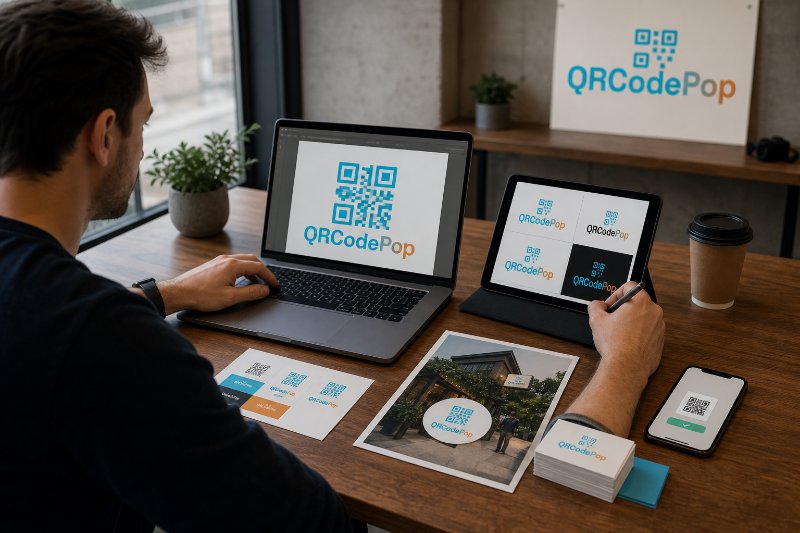
How to Create a QR Code with Logo in Paramus
A branded QR code can boost trust and recognition, but only if the logo stays small enough to preserve fast scanning. The key is balancing design with reliability, so the code looks polished and still works on printed materials.
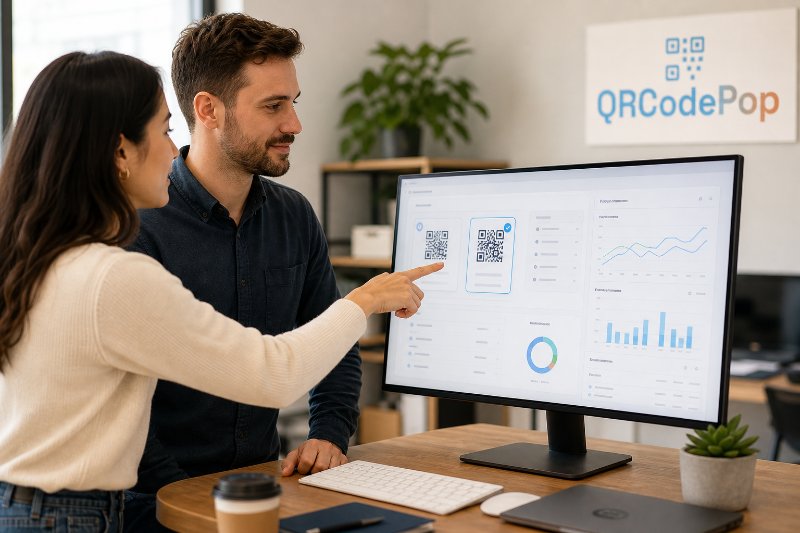
5 Reasons Paramus NJ QR Code Makers Win
The real advantage of a strong QR code platform is flexibility after printing, editable links, tracking, and branding that keep campaigns useful instead of obsolete. For Paramus businesses, the right choice turns a simple code into a reusable marketing tool.
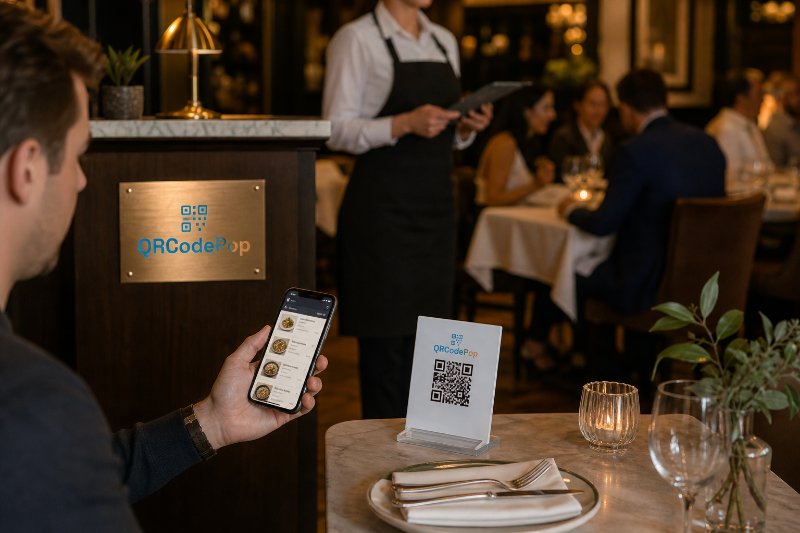
Need a Restaurant QR Code Menu in Paramus NJ?
A strong restaurant QR code menu in Paramus, NJ is more than a code on the table, it keeps menus fast, current, and easy to browse while reducing staff questions and reprints. Dynamic QR codes also let owners swap specials or seasonal items without replacing printed materials.