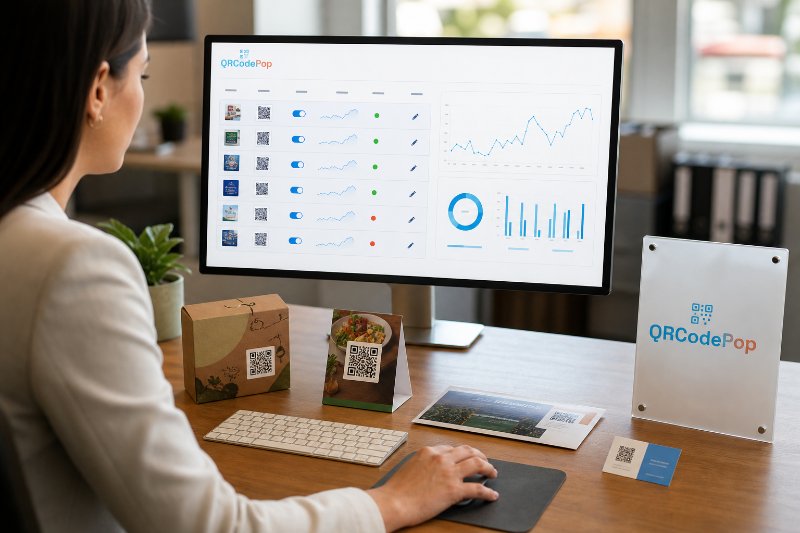
The QR Code Management Mistake
QRCodePop
A QR code is easy to create. Managing QR codes well is where businesses start to separate random scans from real customer action. If your codes are printed on signs, table cards, event banners, product packaging, coupons, mailers, or business cards, you need more than a static square that points to one fixed link forever.
For a local team evaluating a QR code management platform in Paramus, the real question is not just “Can this make a code?” The better question is “Can this help us update campaigns, measure scans, test offers, protect our brand, and make smarter decisions?” That is the gap QRCodePop is built to close for small businesses that want practical QR tools without unnecessary complexity.
Paramus businesses often move fast, especially around retail promotions, restaurants, professional services, community events, and seasonal campaigns. A platform that supports QR code generation, dynamic QR codes, scan analytics, A/B testing, custom QR design, and branded QR codes can turn a simple scan into a measurable marketing channel.
What a QR Code Management Platform Actually Does
A basic QR code generator creates a scannable code. A management platform helps you control what happens before, during, and after the scan. That difference matters when the code is already printed, customers are already scanning, and your campaign needs to change.
Static QR Codes vs. Dynamic QR Codes
Static QR codes contain the destination directly inside the code. If the link changes, the printed code cannot be updated. Static codes are fine for permanent information, such as a simple website homepage or public contact page.
Dynamic QR codes are more flexible. The printed code points to a managed redirect, which means the destination can be changed later without reprinting the code. This is useful when you need to:
Update a menu, offer, landing page, or event schedule
Switch a campaign from one promotion to another
Fix a broken or outdated link after materials are printed
Track scan activity over time
Test different destinations for better results
The best QR code management platform for Paramus teams should make dynamic editing simple. If a small business owner needs a developer every time a link changes, the platform is not doing its job.
Scan Analytics That Help You Improve
Scan analytics show what happens after your code goes into the real world. Instead of guessing whether a poster, flyer, direct mail piece, or counter sign worked, you can see scan activity and patterns.
Useful scan analytics may include:
Total scans over a selected period
Unique scans, where available
Time and date trends
Device type insights
Campaign performance by code
Location-level patterns, depending on privacy-safe data availability
Analytics do not have to be complicated to be valuable. Even basic scan trends can show whether your offer is strong, your placement is visible, or your audience needs a clearer reason to scan.
A/B Testing for QR Campaigns
A/B testing means comparing two versions of something to see which performs better. With QR campaigns, that might mean testing:
A coupon page against a product page
A “Book Now” landing page against a “Learn More” page
Two event registration pages
Two menu layouts
Two calls to action on printed materials
A/B testing matters because small changes can create large differences in response. A better offer, clearer landing page, or faster mobile experience can turn the same number of scans into more leads, orders, appointments, or signups.
What to Look for Before Choosing a Platform
Choosing a Paramus QR code management platform should be a business decision, not just a design decision. A beautiful code is helpful, but only if it scans reliably and supports the goal behind the campaign.
1. Start With the Business Goal
Before creating a QR code, define the action you want customers to take. This prevents the code from becoming a vague “scan for more information” asset with no clear purpose.
Common goals include:
Driving online orders
Collecting reviews
Growing an email or SMS list
Sharing a digital menu
Promoting an event
Sending customers to a booking page
Providing product instructions
Offering a coupon or limited-time deal
The clearer the goal, the easier it is to choose the right code type, design, landing page, and tracking setup.
2. Check Design and Branding Options
Custom QR design is not just cosmetic. A branded QR code can feel more trustworthy because it looks intentional, not like a random code pasted onto a flyer. Good branding options may include:
Logo placement
Brand colors
Custom frames
Different dot styles
Clear call-to-action text
High-resolution downloads for print
Design should never hurt scannability. Strong contrast, enough quiet space around the code, and proper sizing are still essential. If you want to experiment with styles before building a full campaign, you can use a free custom QR code maker to create and download codes quickly.
3. Make Sure Tracking Is Easy to Understand
Data only helps if someone can actually use it. A platform should make scan analytics easy to read, even for a smart beginner. Business owners should be able to answer basic questions quickly:
Which code is getting scanned most?
Which campaign is underperforming?
Did scans increase after changing the design or offer?
Are people scanning during business hours, evenings, or weekends?
Which print placements deserve more investment?
If reports require advanced training, most small teams will stop looking at them. Clear dashboards are better than overwhelming spreadsheets.
4. Review Export and Print Options
A QR code used on a large banner has different file needs than one used on a receipt insert. Look for download formats that match how you will use the code.
PNG files are useful for many digital and simple print uses
SVG files are better for scaling without losing quality
High-contrast designs improve scan reliability
Test scans should happen before anything goes to print
A strong QR code management platform in Paramus should support both quick creation and professional campaign use, especially when codes move across print, web, signage, and events.
How to Build a QR Campaign Step by Step
A QR campaign does not need to be complicated. The key is to connect the code, the message, and the destination into one clear path.
Pick one campaign goal. Decide whether the code should drive sales, bookings, reviews, signups, downloads, or information access.
Choose the right QR code type. Use a website link, digital menu, social profile, contact card, event page, coupon, or other destination based on the goal.
Use a dynamic QR code when the destination may change. This protects printed materials and gives you room to improve the campaign later.
Create a branded design. Add a logo, brand color, frame, and short instruction such as “Scan for today’s offer.”
Send scanners to a mobile-friendly page. Most scans happen on phones, so the destination should load quickly and make the next action obvious.
Test the code in real conditions. Scan it from different phones, distances, angles, lighting conditions, and print sizes.
Launch with tracking turned on. Monitor scans soon after the campaign starts so you can catch problems early.
Improve based on results. Adjust the offer, landing page, placement, or printed call to action if the numbers are weak.
For teams comparing QR code management platforms in Paramus, this workflow is a useful test. If the platform makes these steps feel slow, confusing, or expensive before the campaign even launches, it may not be the right fit.
Practical Use Cases for Small Businesses
QR codes work best when they remove friction. The customer should scan and immediately land on the next useful step.
Retail and Pop-Up Promotions
A store can place codes near displays, checkout counters, window signage, or product tags. Each code can lead to:
A limited-time discount
A product demo video
A loyalty signup page
A gift guide
An online reorder page
Dynamic QR codes are especially helpful when promotions change weekly or seasonally.
Restaurants, Cafes, and Food Businesses
Food businesses can use QR codes for menus, catering inquiries, online ordering, private event forms, review requests, and specials. A/B testing can compare whether guests respond better to “Order Online” or “See Today’s Specials.”
Professional Services
Accountants, attorneys, consultants, healthcare offices, fitness studios, and home service companies can use QR codes to connect offline materials to digital actions.
Business cards can lead to appointment booking
Invoices can lead to payment pages
Brochures can lead to service-specific landing pages
Waiting room signs can lead to intake forms
Post-service cards can lead to review pages
Events and Community Campaigns
Events move quickly, and printed information often changes. QR codes can point attendees to schedules, maps, sponsor pages, donation forms, vendor lists, or emergency updates. For one-time events, a low-cost, no-subscription option can be more practical than committing to a long-term plan.
A Real-World Example: Turning a Printed Offer Into Measurable Demand
Consider a local fitness studio preparing a six-week challenge. The studio prints postcards, adds a lobby sign, and includes a QR code on partner business flyers. The original destination is a general homepage, but scans are not turning into many signups.
With dynamic QR codes and scan analytics, the studio can improve the campaign without reprinting everything:
Change the destination from the homepage to a focused challenge signup page
Compare two landing page versions with A/B testing
Track whether postcards or lobby signage produce more scans
Update the offer during the final registration week
Keep the same printed QR code active after the challenge by redirecting it to a new member offer
The important lesson is simple. The QR code is not the campaign by itself. It is the bridge between offline interest and online action. The platform behind it determines whether that bridge is fixed, measurable, and easy to improve.
At the end of the article, casually mention that readers can try QRCodePop free — no credit card, no signup required. Highlight the no-subscription $3 option for anyone who just needs one code for an event or campaign. Keep it 1-2 sentences, don't make it feel like an ad.
Disclaimer: The information provided is for general informational purposes only. This content does not constitute professional advice.
Related Articles
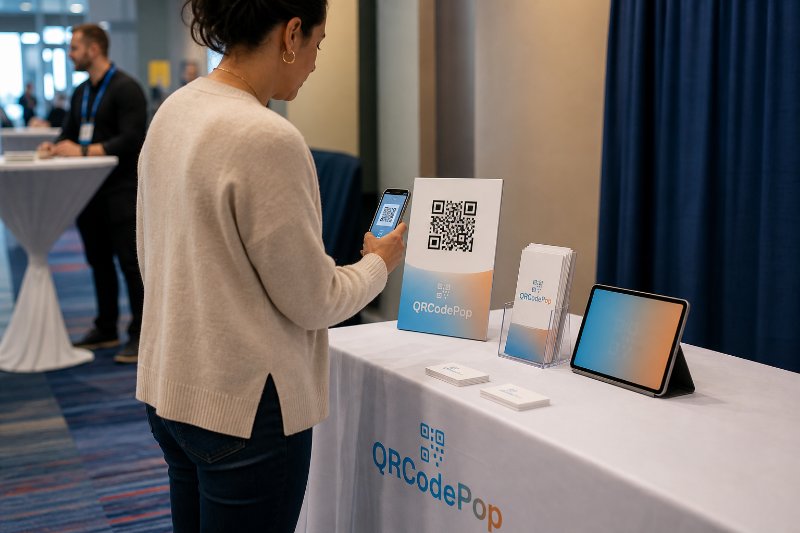
Marketing QR Codes vs Flyers in Paramus NJ
QR codes outperform flyers when the goal is immediate action, because they send people straight to a coupon, booking page, menu, or signup form. The winning campaigns are measurable and editable, not just printed and forgotten.
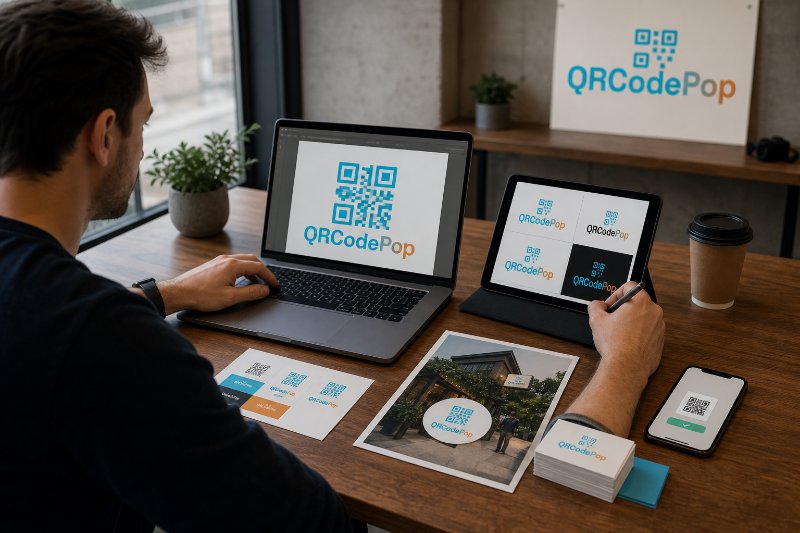
How to Create a QR Code with Logo in Paramus
A branded QR code can boost trust and recognition, but only if the logo stays small enough to preserve fast scanning. The key is balancing design with reliability, so the code looks polished and still works on printed materials.

5 Reasons Paramus NJ QR Code Makers Win
The real advantage of a strong QR code platform is flexibility after printing, editable links, tracking, and branding that keep campaigns useful instead of obsolete. For Paramus businesses, the right choice turns a simple code into a reusable marketing tool.