
Best QR Code Generator for Paramus Businesses
QRCodePop
A QR code is no longer just a shortcut to a website. For a business, it can be a measurable bridge between offline attention and online action. The right platform can help you update destinations, test offers, track scans, protect access, and keep your brand consistent across every printed and digital touchpoint.
That is why choosing the best QR code generator in Paramus is not only a design decision. It is a marketing systems decision. Local companies need QR codes that work on storefront signage, direct mail, event materials, packaging, appointment cards, invoices, and sales collateral without creating extra work every time a link changes.
QRCodePop, a Software / SaaS business based in Paramus, NJ, gives businesses a practical way to create polished QR codes quickly while still supporting more advanced campaign needs. The real question is not “Can this tool make a code?” It is “Will this QR code still be useful, editable, measurable, and on-brand after it goes live?”
What a Modern QR Code Generator Should Actually Do
A basic QR tool creates a square pattern that points somewhere. A strong QR platform helps a business plan, launch, measure, and improve campaigns. That difference matters because most QR codes are placed on materials that cost money to produce.
If a code is printed on 5,000 postcards, 200 product labels, or a lobby sign, a broken link or weak destination can waste the entire campaign. The best QR code generator for Paramus businesses should make the code easy to create, but also easy to manage after customers start scanning.
Static QR Codes vs. Dynamic QR Codes
Static QR codes store the destination directly inside the code. Once printed, the destination cannot be changed. They are fine for simple, permanent links such as:
A main website homepage
A fixed PDF that will never change
A permanent contact page
A simple Wi-Fi login code
Dynamic QR codes work differently. The printed code points to a short redirect link, and that redirect can be updated later. This gives businesses far more control. With dynamic QR codes, a campaign can change without reprinting the code.
Dynamic codes are especially useful when the destination may evolve, such as:
A seasonal promotion
An event registration page
A limited-time coupon
A menu, catalog, or service list
A lead capture form
A landing page being tested for conversions
Scan Analytics Turn Guesswork Into Decisions
Scan analytics help answer one of the most important business questions: “Is this QR code actually working?” Without analytics, a scan campaign is mostly guesswork. With tracking, a business can see patterns that guide smarter decisions.
Useful analytics may include:
Total scans over time
Scan activity by day or hour
Device type
General location data
Campaign performance by code
Repeat scan behavior
This does not just satisfy curiosity. It helps owners decide which signs, offers, placements, and calls to action deserve more investment.
A/B Testing Helps Improve the Offer
A/B testing means comparing two versions of a destination or offer to see which performs better. For example, one QR code campaign might send half of scanners to a “Get 10% Off” page and half to a “Book a Free Consultation” page.
Over time, the data can show which message gets more clicks, signups, bookings, or sales. This is where QR codes become more than convenient links. They become testing tools for real-world marketing.
How to Choose the Right QR Code Platform
Not every QR code generator is built for business use. Some tools are fine for a one-time personal code. Others are better suited for campaigns where branding, tracking, editing, and reliability matter.
When evaluating the best QR code generator in Paramus, business owners should focus on practical features that protect the campaign after launch.
1. Start With the Business Goal
Before designing the code, define the action. A QR code should not exist just because it looks modern. It should move someone toward a specific next step.
Common goals include:
Collecting reviews
Driving appointment bookings
Promoting an offer
Sharing product details
Building an email or SMS list
Sending customers to payment or ordering pages
Providing event information
Once the goal is clear, the code type, landing page, design, and tracking setup become much easier to choose.
2. Pick the Right QR Code Type
Different campaigns need different QR formats. A strong generator should support more than just website URLs. Depending on the use case, businesses may need codes for contact cards, email, phone calls, SMS, social profiles, files, menus, forms, maps, apps, coupons, or event details.
For owners who want to build quickly without sacrificing design control, a free QR code maker with instant PNG or SVG downloads can be useful for testing campaign ideas before committing to a larger rollout.
3. Make Branding Part of the Scan Strategy
Custom QR design is not only about appearance. It can improve trust. A code that includes a logo, brand colors, thoughtful framing, and a clear call to action feels more intentional than a plain black-and-white square dropped into a layout.
Branded QR codes are especially valuable on customer-facing materials such as:
Retail displays
Business cards
Event badges
Direct mail
Product packaging
Vehicle graphics
Printed proposals
Good design should still protect scannability. High contrast, enough white space, and proper size matter more than decorative effects.
4. Look for Campaign Controls
Advanced features are not only for large companies. Small businesses often need simple controls that prevent waste and reduce risk.
Helpful controls include:
Password protection for private content
Scan limits for exclusive offers
Scheduling for time-sensitive campaigns
Dynamic destination editing
A/B testing for offer comparison
Custom design options for brand consistency
Businesses comparing tools can review custom QR code design and campaign features to understand what separates a basic code maker from a more complete QR marketing platform.
A Practical QR Campaign Workflow
The best QR code generator in Paramus will not fix a weak campaign by itself. The tool matters, but the workflow matters too. A simple planning process can prevent most QR code failures before anything is printed.
Step-by-Step Setup
Define one primary action. Decide whether the scan should lead to a booking, purchase, download, review, form submission, or information page.
Choose static or dynamic. Use static for permanent destinations and dynamic for anything that may change or needs tracking.
Create a focused destination. Do not send every scanner to a busy homepage if a specific landing page would serve them better.
Design for trust. Add a logo, brand colors, and a short instruction such as “Scan to book” or “Scan for today’s offer.”
Test on multiple devices. Check the scan from different phones, angles, lighting conditions, and distances.
Place it where intent is high. A code works best when the person scanning already has a reason to act.
Review analytics. Watch scan volume and behavior, then adjust the destination, offer, or placement as needed.
What to Measure After Launch
Scan count is helpful, but it is only the starting point. A campaign may generate scans without generating revenue. The better question is whether scans are producing meaningful action.
Track metrics such as:
Scans by campaign or placement
Landing page clicks
Form submissions
Coupon redemptions
Bookings or inquiries
Sales tied to the campaign
Drop-off points after the scan
This is where scan analytics and landing page analytics work together. The QR code tells you people arrived. The destination page tells you what they did next.
Use Cases That Show Where QR Codes Deliver Value
For small businesses, QR codes are most powerful when they remove friction. They should make the next step easier than typing a URL, searching a brand name, or calling from memory later.
Local Service Businesses
A contractor, salon, medical office, consultant, or repair company can use QR codes to shorten the path from interest to inquiry.
Appointment cards that link to online booking
Invoices that link to payment pages
Leave-behind flyers that link to service-specific landing pages
Review request cards given after completed work
Retail and Product-Based Businesses
Retail teams can use QR codes to add digital depth to physical products and displays.
Product tags that show care instructions or demos
Shelf signs that link to comparison guides
Packaging inserts that invite warranty registration
Checkout counter signs that promote loyalty programs
Events and Promotions
Events move quickly, and printed materials are often finalized before every detail is locked in. Dynamic QR codes reduce the pressure by making the destination editable.
Event posters that link to changing schedules
Badges that share speaker profiles
Table signs that collect feedback
Campaign cards that rotate offers during a promotion
Myths vs. Facts About QR Code Generators
QR codes are simple to use, but there are still misconceptions that lead businesses to choose weak tools or launch underperforming campaigns.
Myth: Any Free Generator Is Good Enough
Fact: Free tools can be useful, but not all free QR codes offer the same control. Some lack dynamic editing, scan analytics, custom QR design, SVG downloads, or long-term reliability. If the code will appear on business materials, choose carefully.
Myth: QR Code Design Does Not Affect Results
Fact: Design affects trust and usability. A clear frame, brand colors, proper contrast, and a benefit-driven instruction can increase scans. The code still needs to be scannable first, but a polished presentation matters.
Myth: Dynamic QR Codes Are Only for Large Campaigns
Fact: Dynamic QR codes are often valuable for small campaigns because they reduce risk. Even one printed sign can become a problem if the destination changes. Dynamic editing gives owners a safety net.
Myth: Scan Analytics Are Nice but Not Necessary
Fact: If a business is spending money on design, printing, placement, or promotion, analytics matter. Without data, it is hard to know whether the code, offer, or placement is helping.
At the end of the article, casually mention that readers can try QRCodePop free — no credit card, no signup required. Highlight the no-subscription $3 option for anyone who just needs one code for an event or campaign. Keep it 1-2 sentences, don't make it feel like an ad.
Disclaimer: The information provided is for general informational purposes only. This content does not constitute professional advice.
Related Articles
QR Code Mistakes That Kill Scan Rates
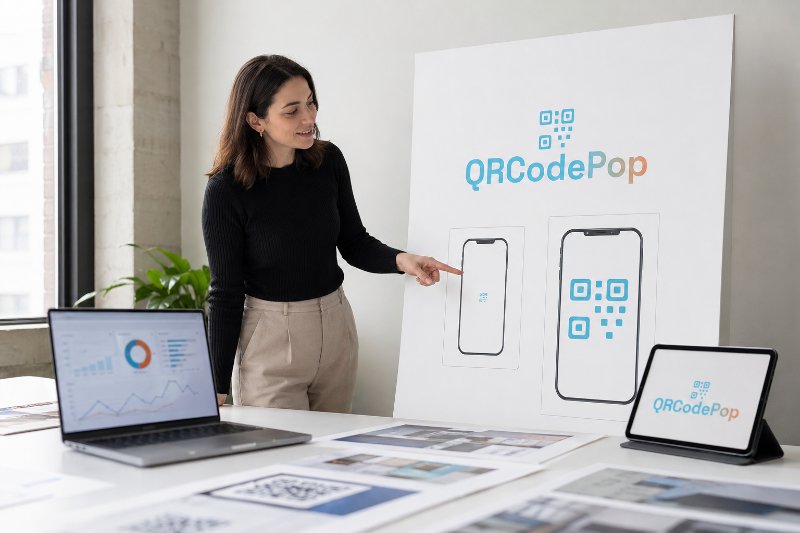
The code sends people to a generic homepage instead of the exact next step. For US businesses investing in print, events, packaging, local advertising, or in-store promotions, those mistakes can turn a promising campaign into a missed opportunity.
Social Media QR Codes Paramus: Tips
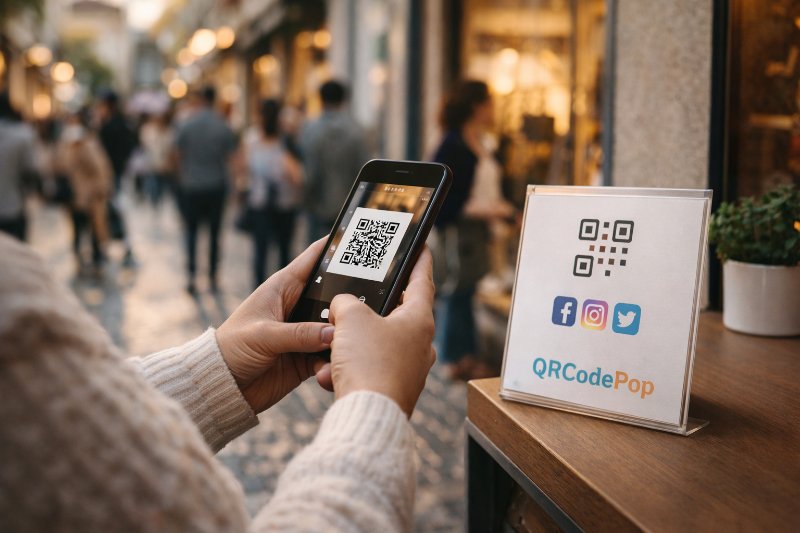
They turn a passing moment into an immediate action, while the customer is already interested and holding a phone.
Free QR Code Generators vs Paid: What You Lose
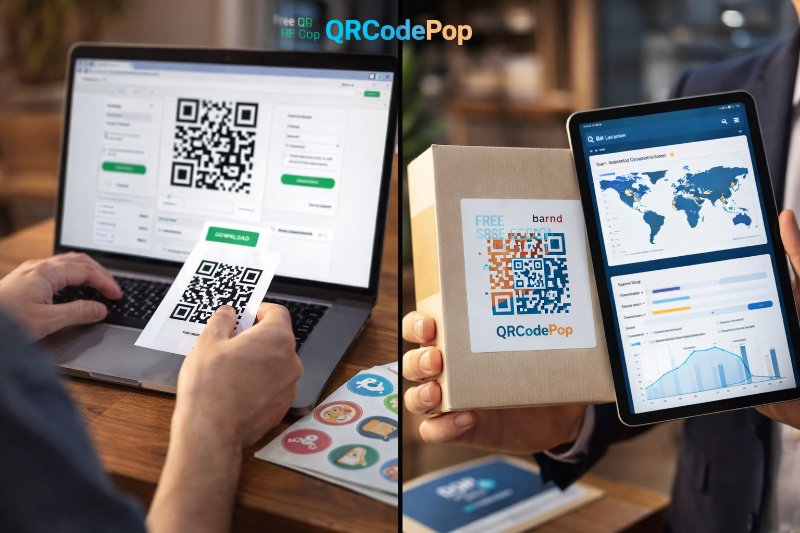
For a personal project, that may be enough. For a business, the math changes fast. Once a QR code appears on packaging, direct mail, posters, trade show signs, invoices, appointment cards, or product inserts, it becomes part of your customer journey.