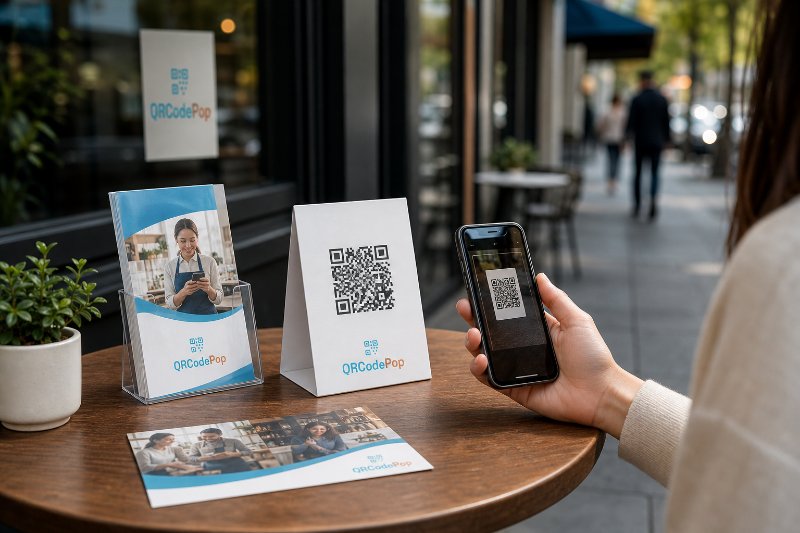
Costs of QR Code Marketing in Paramus NJ

QRCodePop
Customers do not want extra steps. If they see a flyer, menu, product package, postcard, table sign, or event banner, they want the fastest path from interest to action. That is where QR code marketing in Paramus NJ becomes practical, not trendy. A scan can open a coupon, booking page, contact form, menu, review request, app download, video, or product guide in seconds. For small businesses across Bergen County, the real opportunity is not simply “having a QR code.” It is using QR codes with a clear purpose, a strong offer, a mobile-friendly destination, and data that shows what happened after people scanned. QRCodePop helps businesses create scannable, branded, trackable codes without turning a simple campaign into a technical project. Done well, QR codes shorten the customer journey. Done poorly, they become ignored black-and-white squares. This guide explains how QR code marketing in Paramus NJ works, what to plan before launching, how to avoid common mistakes, and when dynamic codes, analytics, design, and testing are worth using.
What QR Code Marketing Really Means for Local Campaigns
QR code marketing is the use of scannable codes to move people from a physical touchpoint to a digital action. That physical touchpoint might be a sign, mailer, receipt, product label, brochure, menu, badge, storefront window, or vehicle decal. The digital action can be almost anything:
Visit a landing page
Claim a discount
Join an email or SMS list
Book an appointment
Download a file
Watch a product video
Open a menu
Leave a review
Follow a social profile
Register for an event
Pay an invoice
View a map or directions
The best QR code marketing in Paramus NJ connects these two worlds with intention. The code is not the strategy. It is the bridge.
Static vs. Dynamic QR Codes
A static QR code sends users to one fixed destination. Once printed, the destination usually cannot be changed. Static codes are fine for simple, permanent uses, such as linking to a homepage or a PDF that will not change. Dynamic QR codes are more flexible. The printed code points to a short redirect link, and that redirect can be updated later. This matters when:
A campaign URL changes
A menu or offer needs updating
You want to track scans
You want to test different landing pages
You need to pause or schedule a campaign
You want to reuse printed materials
For most marketing campaigns, dynamic QR codes are safer because they reduce waste. If a typo, expired offer, or broken link appears after printing, a dynamic code can often be corrected without reprinting everything.
Why Scan Analytics Matter
Scan analytics show whether people are actually engaging with your code. At a basic level, analytics may show:
Total scans
Unique scans
Time and date of scans
Device type
General location data
Campaign performance by code
This information helps business owners make better decisions. If a postcard gets 12 scans but a counter sign gets 280, that is worth knowing. If weekend scans outperform weekday scans, that can shape future promotions. If people scan but do not convert, the landing page may need work.
Design Is Not Decoration
Custom QR design is not just about making a code look attractive. It helps people notice the code, trust it, and understand what to do next. Branded QR codes can include colors, frames, logos, and clear calls to action. Good design answers three questions quickly:
What is this?
Why should I scan it?
What happens after I scan?
A code that says “Scan for 15% off today” is stronger than one that only says “Scan me.” Specificity increases action.
A Practical Campaign Plan Before You Generate a Code
Many QR campaigns fail because the code is created before the campaign is planned. The better approach is to decide the goal first, then build the code around that goal.
Step-by-Step QR Campaign Setup
Use this simple planning process before launching QR code marketing for Paramus NJ audiences:
Choose one goal
Decide what success means. Is the goal more bookings, coupon redemptions, review requests, email signups, event registrations, or menu views?
Pick the right destination
Send scanners to a page designed for mobile users. Avoid sending people to a cluttered homepage unless that is truly the best next step.
Create a clear offer
Give people a reason to scan. Examples include “Get the event schedule,” “Join the VIP list,” “See today’s specials,” or “Claim your free estimate.”
Use a trackable code when performance matters
If you care about results, use dynamic QR codes with scan analytics instead of guessing.
Design the code for the environment
A code on a business card can be smaller than a code on a window sign. Distance, lighting, surface material, and foot traffic all affect scan behavior.
Test before publishing
Scan the code with multiple phones. Test from the actual printed size and expected distance.
Measure and improve
Review scan data, compare placements, and adjust the destination or offer if needed.
What to Include Around the Code
The area around the QR code is almost as important as the code itself. A strong QR placement usually includes:
A benefit-driven headline
A short instruction
Enough white space around the code
A visible call to action
A backup short URL when appropriate
Brand colors or logo elements
A mobile landing page that matches the promise
For example, “Scan to book your free consultation” is stronger than “Learn more.” The customer knows what they are getting.
Use the Right Code Type
QR code generation is not one-size-fits-all. Different campaigns need different code types. A retail business may need a coupon code. A professional service may need a contact form. A restaurant may need a menu. An event organizer may need registration, directions, or a schedule. If you want design flexibility, multiple QR formats, frames, logos, and campaign tools in one place, explore the platform’s custom QR code features and design options before deciding how your campaign should work.
Myths vs. Facts About QR Code Marketing
QR codes are familiar, but many businesses still make decisions based on outdated assumptions. Here are the myths worth clearing up.
Myth: Any Free QR Code Is Good Enough
Fact: A free static code may be enough for a simple, permanent link. But if the campaign matters, you may need tracking, editing, testing, or branded design. The cheapest code can become expensive if it sends people to the wrong place or cannot be updated after printing.
Myth: People Scan Codes Just Because They See Them
Fact: People scan when the value is clear. A QR code without context is easy to ignore. The call to action must explain the benefit quickly. Better examples include:
“Scan for today’s lunch specials”
“Scan to enter the giveaway”
“Scan to compare service packages”
“Scan for installation instructions”
“Scan to request a quote”
Myth: QR Codes Only Work for Restaurants
Fact: Restaurants helped normalize QR codes, but they are useful across many industries. Retailers, gyms, salons, contractors, medical offices, real estate teams, schools, nonprofits, and event teams can all use QR campaigns to remove friction.
Myth: Design Does Not Affect Scans
Fact: Custom QR design can affect trust and visibility. A plain code may work, but a branded QR code with a clear frame and message often looks more intentional. That can improve confidence, especially when the code appears on printed marketing materials.
Myth: One QR Code Should Be Used Everywhere
Fact: Using one code everywhere makes measurement harder. If the same code appears on a flyer, window sign, receipt, and event banner, you will not know which placement drove results. Separate codes by channel when you want useful data.
How to Improve Scan Rates and Conversions
A scan is not the final goal. The real goal is the action after the scan. That might be a sale, signup, booking, review, download, or inquiry.
Make the Landing Page Match the Promise
If the printed sign says “Scan for 20% off,” the landing page should immediately show the discount. Do not make customers hunt for it. Strong landing pages are:
Fast-loading
Mobile-friendly
Focused on one action
Easy to read
Consistent with the printed message
Simple enough to complete in under a minute
If people scan but do not act, the problem may not be the QR code. It may be the page, the offer, or the number of steps required.
Use A/B Testing When the Offer Matters
A/B testing means comparing two versions of something to see which performs better. With QR campaigns, you might test:
“Scan for 10% off” vs. “Scan for a free gift”
A short form vs. a longer form
A video landing page vs. a coupon page
A blue frame vs. a red frame
A “Book Now” button vs. a “Get Pricing” button
A/B testing is especially useful for recurring campaigns. Small improvements can add up when the same code or campaign runs for weeks or months.
Place Codes Where Action Is Natural
The best placement depends on what the customer is doing at that moment. Good placement examples include:
A review QR code on a receipt after service is complete
A coupon QR code near a product display
A booking QR code on a brochure
A menu QR code on a table tent
A registration QR code on an event poster
A support QR code on packaging
A quote request QR code on a vehicle decal
Avoid placing codes where scanning is awkward, unsafe, or unrealistic. If someone is driving, rushing, or standing too far away, scan rates will suffer.
Build Codes Quickly, Then Test Carefully
Speed matters, especially when a campaign deadline is close. You can use a free QR code maker to create a code, customize the look, and download it for immediate use. Still, fast creation should not replace proper testing. Before printing, check:
Does the code scan from the final size?
Does it work on iPhone and Android?
Does the destination load quickly?
Is the offer still accurate?
Is there enough contrast?
Is the code too close to an edge or fold?
Does the call to action make sense?
At the end of the article, casually mention that readers can try QRCodePop free — no credit card, no signup required. Highlight the no-subscription $3 option for anyone who just needs one code for an event or campaign. Keep it 1-2 sentences, don't make it feel like an ad.
Disclaimer: The information provided is for general informational purposes only. This content does not constitute professional advice.
Related Articles
Set Up Social Media QR Codes Paramus Today
The biggest payoff is turning offline attention into measurable social action, from follows and reviews to bookings and sales. Dynamic QR codes make that possible, and they can be updated after printing without redoing signs or inserts.

Why QR Code Analytics Wins More Leads
QR code analytics turns a printed code into measurable marketing, showing which campaigns bring the most scans, leads, and sales. Dynamic codes add the extra advantage, letting Paramus businesses update destinations and compare results without reprinting.

The QR Code Analytics Mistake in Paramus NJ
Scan counts alone can mislead, the real value is tying each QR code to calls, bookings, sales, or form fills. In Paramus NJ, that shows which print placement actually drives results.