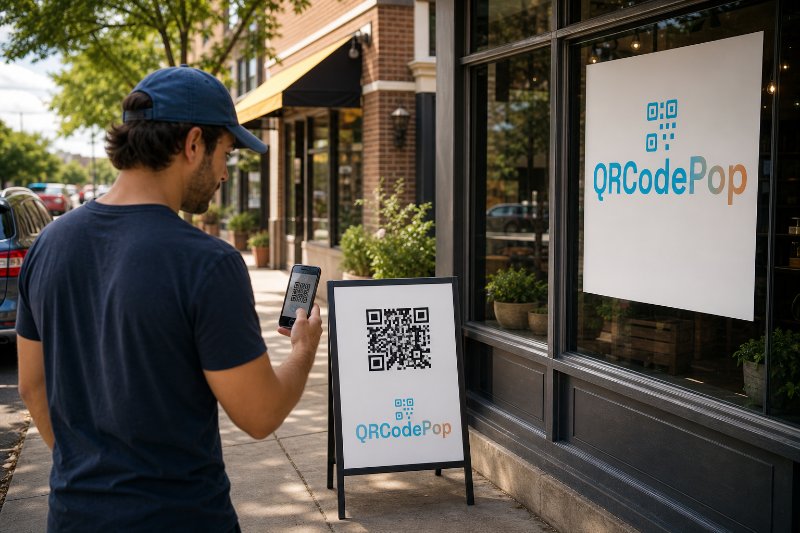
Mobile Marketing QR Codes: Paramus Wins

QRCodePop
Most customers do not move in a straight line from seeing a business to buying from it. They notice a poster, scan a menu insert, read a product card, compare options on their phone, and maybe come back later. That is why mobile marketing QR codes in Paramus can be more than a convenience. Used well, they turn real-world attention into measurable digital action. For local shops, event organizers, service providers, restaurants, consultants, and growing brands, the goal is not simply to “have a QR code.” The goal is to guide people from curiosity to the next useful step, whether that means booking, ordering, reviewing, subscribing, downloading, registering, or requesting a quote. QRCodePop helps businesses make that connection faster with QR code generation, dynamic QR codes, scan analytics, A/B testing, custom QR design, and branded QR codes. The strongest campaigns treat QR codes as part of a mobile marketing system. That means every code has a clear purpose, every destination is built for phones, and every scan teaches the business something useful.
How Mobile Marketing QR Codes in Paramus Fit Into the Customer Journey
Mobile marketing works because it meets people where they already are, on their phones. A QR code removes friction at the exact moment someone is interested. Instead of asking them to search, type, remember, or wait, the code opens the next step immediately.
QR Codes Are Best When They Match Intent
A person scanning from a storefront window is in a different mindset than someone scanning from a receipt. A person scanning at an event booth wants something different from someone scanning a product package. The destination should match that moment. Strong use cases include:
A window sign that opens a booking page
A postcard that leads to a seasonal offer
A brochure that opens a comparison guide
A product insert that opens warranty registration
A table display that opens ordering, payment, or feedback
An event badge that opens a lead capture form
A service vehicle decal that opens a quote request page
The real value of mobile marketing QR codes in Paramus comes from timing. The code appears when the customer is already paying attention. That small window matters.
Static vs. Dynamic QR Codes
Static QR codes send scanners to one fixed destination. Once printed, the destination cannot be changed. They are fine for simple, permanent uses, such as a homepage or contact card. Dynamic QR codes are more flexible. The printed code stays the same, but the destination can be changed later from a dashboard. That matters when campaigns evolve. Dynamic QR codes are useful when businesses want to:
Update a landing page after printing materials
Change a seasonal offer
Fix a broken or outdated link
Send traffic to different destinations for testing
Track scans over time
Compare campaign performance by location, placement, or design
For most mobile marketing campaigns, dynamic codes are the safer choice because they reduce waste and give the business more control.
Building a QR Campaign That Actually Gets Scanned
A scan is not automatic. Customers need to understand why scanning is worth their time. The code, placement, offer, and landing page must all work together.
Start With One Clear Action
Before creating a code, define the action the customer should take. Avoid vague goals like “increase engagement.” Choose something specific. Good goals include:
Get more appointment requests
Collect email signups
Drive app downloads
Promote a limited-time offer
Increase review requests
Capture event leads
Send shoppers to a product video
Measure print campaign response
For mobile marketing QR codes in Paramus, clarity beats creativity when the customer is deciding whether to scan. A simple promise like “Scan to get the coupon” usually performs better than a clever line that does not explain the benefit.
Use a Mobile-First Destination
A QR scan almost always happens on a phone. If the landing page is slow, hard to read, or full of tiny buttons, the campaign loses people immediately. A strong mobile destination should have:
Fast loading speed
A headline that matches the printed offer
Large, easy-to-tap buttons
Minimal form fields
Clear next steps
Trust signals, such as reviews or secure checkout cues
No distracting desktop-style clutter
The QR code is only the doorway. The mobile page does the selling.
Design the Code to Earn Trust
A plain QR code can work, but a branded one often feels more intentional. Custom QR design helps the code look like part of the campaign rather than an afterthought. Useful design choices include:
Brand colors with strong contrast
A logo in the center when appropriate
A clear border or “quiet zone” around the code
A call-to-action near the code
Enough size for the viewing distance
Testing on multiple phones before printing
Branded QR codes should still scan easily. Style should never come at the cost of function.
A Practical Step-by-Step Plan for Better QR Campaigns
The most effective QR campaigns are planned before the code is printed. The following process keeps the campaign focused and measurable.
1. Choose the Campaign Objective
Pick one main outcome. If the code is on a flyer, should the scanner book, call, register, watch, buy, or claim an offer? One code can support a larger campaign, but each scan should point to one primary action.
2. Match the Offer to the Placement
A QR code on a checkout counter may work well for reviews or loyalty signups. A code on direct mail may be better for a discount, estimate request, or appointment form. A code at an event may need a fast lead form or giveaway entry. Ask:
Where will the customer see this?
How much time will they have?
What would feel valuable in that moment?
What action is realistic on a phone?
This is where mobile marketing QR codes in Paramus become practical. The code should support the situation, not interrupt it.
3. Generate the Right Type of Code
Use QR code generation based on the campaign need. A static code may be enough for a permanent contact page. A dynamic code is better when tracking, editing, or testing matters. Dynamic QR codes are especially helpful for:
Printed ads
Trade show materials
Restaurant promotions
Retail displays
Fundraising campaigns
Seasonal service offers
Multi-location campaign comparisons
4. Add Tracking Before Launch
Scan analytics help answer important questions:
How many people scanned?
When did scans happen?
Which materials performed best?
Which campaign version got more engagement?
Did scans increase after changing the call-to-action?
Did offline marketing create real digital traffic?
Without scan analytics, a QR campaign is mostly guesswork. With tracking, it becomes a learning system.
5. Test One Variable at a Time
A/B testing compares two versions to see which performs better. For QR marketing, that might mean testing two landing pages, two offers, or two calls-to-action. Examples:
“Scan for 10% off” vs. “Scan for today’s offer”
Short form vs. longer form
Product video vs. product details page
Booking page vs. quote request form
Coupon landing page vs. email signup page
Keep tests simple. If too many things change at once, it becomes hard to know what caused the improvement.
6. Review and Improve
After launch, check performance regularly. Look for patterns, not just totals. A campaign with fewer scans but more conversions may be stronger than one with many scans and little action. Useful questions include:
Which placement drove the most scans?
Which scan times were strongest?
Which offer created the best response?
Where did users drop off?
Should the destination be simplified?
Should the printed call-to-action be clearer?
What to Look for in a QR Code Platform
The right software makes QR marketing easier to manage. Small businesses do not need a complicated system, but they do need the right features if the campaign matters.
Core Features That Matter
Look for a platform that supports:
Fast QR code generation
Static and dynamic QR code options
Scan analytics
Editable destinations
Custom QR design
Branded QR codes
A/B testing
Download formats suitable for print and digital use
Simple account management
Clear pricing
If a campaign includes printed materials, dynamic editing is especially valuable. Reprinting because a link changed is frustrating and expensive.
Pricing Should Match the Use Case
Not every business needs a subscription. Some need one code for one event, flyer, campaign, or temporary promotion. Others need ongoing tracking, testing, and multiple branded designs. Before choosing a plan, consider:
How many codes are needed?
Will destinations need to change?
Is scan tracking important?
Will different campaigns need separate analytics?
Is the code for one-time use or ongoing marketing?
Does the business need branded designs?
Also review platform rules before relying on a QR tool for customer-facing campaigns. If you are using dynamic tracking or subscription features, it is smart to read the QR code service terms and usage guidelines so expectations are clear from the start.
Common Mistakes That Weaken QR Campaigns
Even a well-designed QR code can underperform if the campaign around it is weak. These are the mistakes Skribe Labs sees most often when evaluating mobile-first campaigns.
Using the Same Code Everywhere
One QR code across every flyer, sign, ad, and package makes tracking difficult. If possible, create separate codes for separate placements. That way, scan analytics can show which channel is working.
Sending Scans to a Generic Homepage
A homepage usually has too many choices. A campaign-specific page should match the promise next to the code. If the sign says “Scan for the offer,” the page should show the offer immediately.
Making the Code Too Small
If people cannot scan it quickly, they will not fight with it. Size should match viewing distance. A code on a tabletop card can be smaller than one on a wall poster or outdoor sign.
Forgetting the Call-to-Action
A QR code alone does not explain value. Add a short reason to scan. Examples:
“Scan to book in 30 seconds”
“Scan for the event map”
“Scan to claim the offer”
“Scan to compare options”
“Scan for setup instructions”
Ignoring Post-Scan Behavior
Scans are only the first signal. The bigger question is whether people take action after scanning. If scans are high but conversions are low, the landing page, offer, or form likely needs work.
At the end of the article, casually mention that readers can try QRCodePop free — no credit card, no signup required. Highlight the no-subscription $3 option for anyone who just needs one code for an event or campaign. Keep it 1-2 sentences, don't make it feel like an ad.
Disclaimer: The information provided is for general informational purposes only. This content does not constitute professional advice.
Related Articles
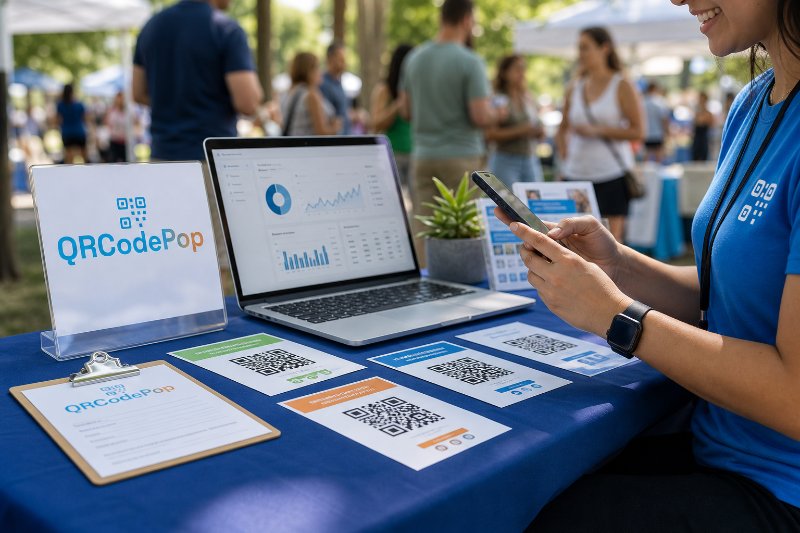
Trackable QR Codes in Paramus: Why They Win
For small businesses, event teams, agencies, nonprofits, and local marketers, that difference matters because every flyer, sign, postcard, package insert, table card, or display should produce useful data, not just hope.
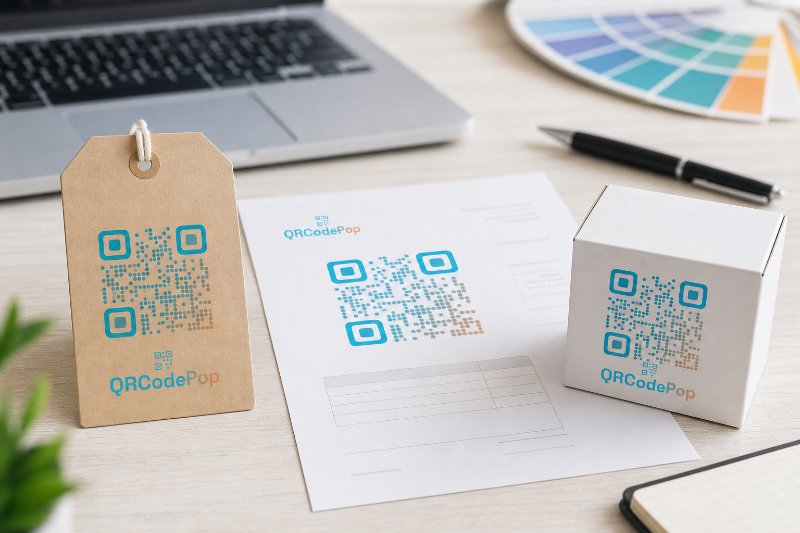
Why a QR Code with Logo Stands Out in Paramus
Customers are more likely to scan when the code looks intentional, clear, and connected to the business they already recognize. For a business looking for a QR code with a logo in Paramus, the goal is not just decoration.

Best QR Code Generator for Paramus Businesses
The right platform can help you update destinations, test offers, track scans, protect access, and keep your brand consistent across every printed and digital touchpoint.