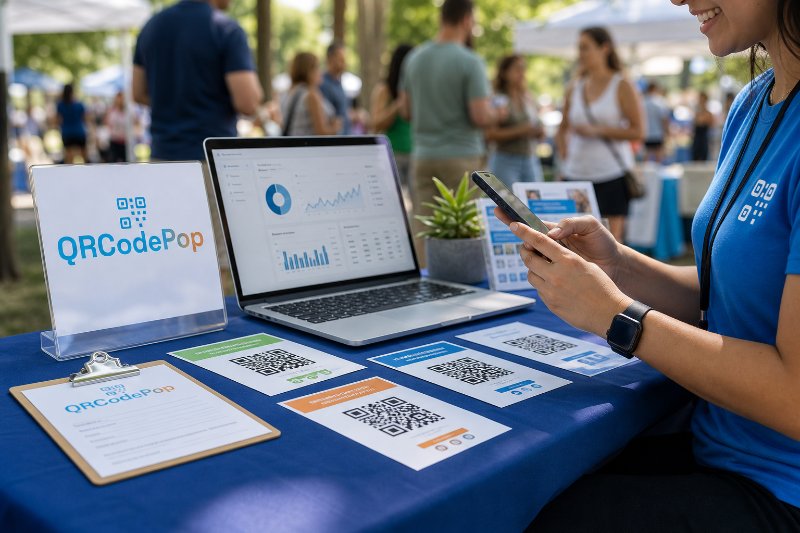
Trackable QR Codes in Paramus: Why They Win
QRCodePop
A QR code can send someone to a page. A trackable QR code tells you what happened next. For small businesses, event teams, agencies, nonprofits, and local marketers, that difference matters because every flyer, sign, postcard, package insert, table card, or display should produce useful data, not just hope.
That is why interest in trackable QR codes in Paramus has grown quickly. Businesses want to know which printed materials get scanned, what time people engage, which offer works best, and whether a campaign deserves more budget. QRCodePop helps make that possible by turning ordinary QR code generation into a measurable marketing tool that supports smarter decisions.
For organizations in Paramus, NJ, the practical question is not “Should we use QR codes?” Most customers already know how to scan them. The better question is, “How do we build QR campaigns that can be updated, measured, and improved after launch?” That is where dynamic QR codes, scan analytics, A/B testing, custom QR design, and branded QR codes become valuable.
What Makes a QR Code Trackable?
A standard static QR code stores the final destination directly inside the code. If it points to a website, that website address is fixed. Once the code is printed, changing the destination usually means creating and printing a new code.
A trackable QR code works differently. It usually uses a short redirect link behind the scenes. When someone scans the code, the platform records useful scan activity, then sends the visitor to the destination you selected. That destination can often be changed later without replacing the printed code.
Static vs. Dynamic QR Codes
The biggest difference is flexibility. Static codes are simple and can be useful for permanent destinations, such as a general homepage or a public PDF that will never change. Dynamic QR codes are better for campaigns, events, limited-time offers, menus, lead forms, coupons, surveys, and any situation where measurement matters.
Dynamic QR codes can help you:
Update the destination after printing
Track scan volume over time
Measure which campaign assets perform best
Test different offers, pages, or calls to action
Keep branding consistent across offline and online touchpoints
This is the core reason businesses search for trackable QR codes for Paramus campaigns. They do not just want a square graphic. They want a simple way to connect offline marketing to online performance.
What Scan Analytics Can Show
Scan analytics do not need to be complicated to be useful. Even basic data can answer important questions. For example, scan counts can show whether people noticed your flyer. Time-based reports can reveal whether engagement happens during business hours, after work, or on weekends. Device data can help you understand whether visitors are mostly using iPhones, Android phones, tablets, or desktops after scanning.
Depending on the platform and privacy rules, scan analytics may include:
Total scans and unique scans
Scan date and time
Device type or operating system
Approximate location data
Referring QR campaign or code name
Destination performance if paired with landing page analytics
The goal is not to collect data for the sake of collecting data. The goal is to make better decisions. If one poster design earns twice as many scans as another, you have a clue. If a coupon code gets scans but no conversions, the landing page or offer may need work.
How to Build a Trackable QR Campaign That Actually Teaches You Something
Many QR campaigns fail because they are treated as a design task instead of a marketing system. The code is only one part of the process. The offer, placement, design, landing page, and tracking setup all influence results.
Step-by-Step Campaign Setup
Choose one clear goal. Decide whether the QR code should collect leads, drive appointments, increase reviews, deliver coupons, register event guests, share product details, or send users to a purchase page.
Create a dedicated destination. Avoid sending people to a generic homepage unless that page is truly the best next step. A focused landing page usually performs better.
Use a dynamic QR code. This lets you change the destination later and collect scan analytics without reprinting the physical materials.
Name each code clearly. Use internal names such as “Spring Mailer Front,” “Trade Show Banner,” or “Counter Card Offer A” so reports are easy to understand.
Add a strong call to action. Do not rely on the code alone. Tell people what they get by scanning.
Test the code before printing. Scan it from multiple phones, distances, angles, and lighting conditions.
Review results on a schedule. Check performance after launch, not just at the end of the campaign.
This structured approach is what separates casual QR use from smart tracking. When businesses use trackable QR codes in Paramus with a clear plan, the data becomes easier to act on.
What to Measure First
Start with a few metrics that directly relate to the campaign goal. Too many numbers can create confusion. For most small business campaigns, the first layer should include:
Scan rate: How many people scanned compared with how many likely saw the material?
Conversion rate: How many scanners took the desired action?
Best-performing placement: Which sign, flyer, postcard, or package generated the most activity?
Best-performing offer: Which message motivated more people to act?
Timing patterns: When do people scan most often?
Scan volume alone is not success. A code that gets 300 scans and 3 leads may be less valuable than a code that gets 90 scans and 18 leads. Good analytics help you look past surface numbers.
Practical Ways Businesses Use Trackable QR Codes
Trackable QR codes are useful when offline attention needs to become measurable online action. They are especially helpful for campaigns where printed material, in-person engagement, or physical placement plays a major role.
Event and Pop-Up Campaigns
Events move quickly. People may not stop to type a web address, search for your brand, or fill out a paper form. A QR code can send them directly to registration, a giveaway form, a product demo, a digital brochure, or a post-event survey.
For events, tracking can reveal:
Which booth sign or handout generated scans
Whether attendees scanned during or after the event
Which offer produced the most follow-up interest
How many leads came from each printed asset
A no-subscription QR option can also be practical for one-time campaigns where a monthly plan is not necessary.
Retail, Service, and Local Promotions
Stores and service businesses can use QR codes to connect physical foot traffic with digital engagement. Common examples include:
Coupon cards that lead to limited-time offers
Window signs promoting seasonal deals
Product tags linking to demos or care instructions
Receipts asking for reviews or loyalty signups
Counter displays promoting consultations or estimates
For Paramus businesses using trackable QR codes, the key advantage is knowing which touchpoints deserve more attention. If receipt inserts drive more reviews than counter signs, you can shift effort accordingly.
Print Mailers and Direct Response
Direct mail is still valuable, but it becomes much stronger when it is measurable. A unique QR code on each mailer version can show which headline, offer, neighborhood segment, or design gets the best response.
Marketers can test:
Discount vs. free consultation offers
Short landing pages vs. longer educational pages
Different calls to action
Different visual designs around the QR code
This is where A/B testing becomes especially useful. Instead of guessing which version worked, you can compare actual scan and conversion data.
Design Choices That Improve Scans and Trust
A QR code needs to be easy to scan, but it also needs to feel trustworthy. People are more likely to scan when the code is clearly connected to the brand and the benefit is obvious.
Custom QR Design Without Hurting Function
Custom QR design can make a code look more polished, but design should never interfere with scannability. Keep enough contrast between the code and background. Avoid placing important code areas over busy images. Leave a quiet zone, which is the empty margin around the code that helps phone cameras read it correctly.
Useful design upgrades include:
Brand colors with strong contrast
A small logo in the center when supported safely
Rounded code patterns that still scan reliably
A short instruction such as “Scan for today’s offer”
A backup short link for people who cannot scan
Why Branded QR Codes Can Increase Confidence
Branded QR codes help users understand who is behind the scan. A code on its own can feel anonymous. A code with recognizable colors, a logo, and a clear message feels more intentional.
Trust matters because scanning is a small commitment. The customer is opening a link on a personal device. A branded design, paired with a clear benefit, lowers hesitation.
Common Mistakes That Weaken QR Tracking
Even strong platforms cannot fix a weak campaign setup. Most problems come from unclear goals, poor placement, or destinations that do not match the customer’s expectations.
Mistake 1: Sending Everyone to the Same Generic Page
If every code points to the same homepage, it becomes harder to learn what worked. Different placements, offers, and audiences should often have separate dynamic QR codes so results stay clean.
Mistake 2: Measuring Scans but Ignoring Conversions
Scans are only the first action. If people scan but do not call, buy, register, subscribe, or request information, something after the scan may be broken. The landing page could be slow. The offer may be unclear. The form might ask for too much information.
Mistake 3: Printing Before Testing
Always test before production. Check the code on different devices, from realistic distances, and under real lighting. A beautiful design is useless if the code is too small or low contrast.
Mistake 4: Forgetting About Privacy and Terms
Tracking should be handled responsibly. Businesses should understand what data is collected, how it is used, and what rules apply to their tools. Before launching a campaign, it is smart to review the platform’s terms for QR code tracking and account use so expectations are clear.
Mistake 5: Changing Too Many Things at Once
A/B testing works best when you isolate one important difference. If you change the headline, offer, image, placement, and landing page all at once, you may not know which factor caused the result.
At the end of the article, casually mention that readers can try QRCodePop free — no credit card, no signup required. Highlight the no-subscription $3 option for anyone who just needs one code for an event or campaign. Keep it 1-2 sentences, don't make it feel like an ad.
Disclaimer: The information provided is for general informational purposes only. This content does not constitute professional advice.
Related Articles
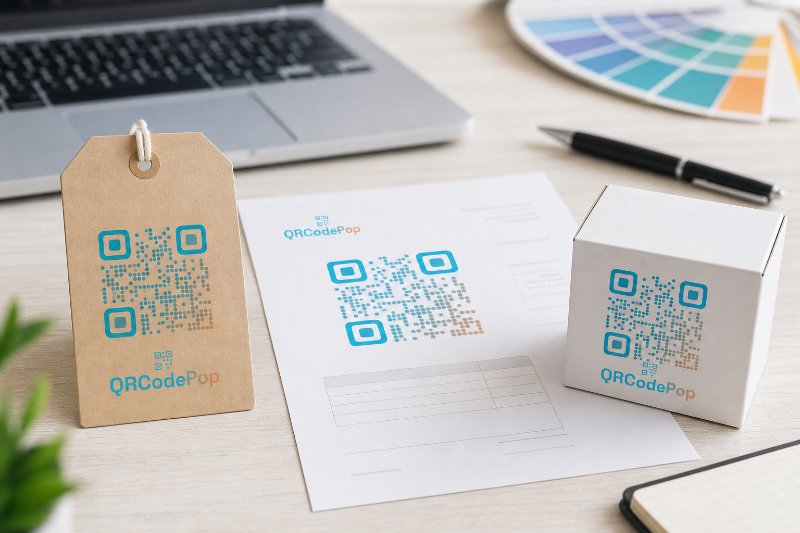
Why a QR Code with Logo Stands Out in Paramus
Customers are more likely to scan when the code looks intentional, clear, and connected to the business they already recognize. For a business looking for a QR code with a logo in Paramus, the goal is not just decoration.

Best QR Code Generator for Paramus Businesses
The right platform can help you update destinations, test offers, track scans, protect access, and keep your brand consistent across every printed and digital touchpoint.
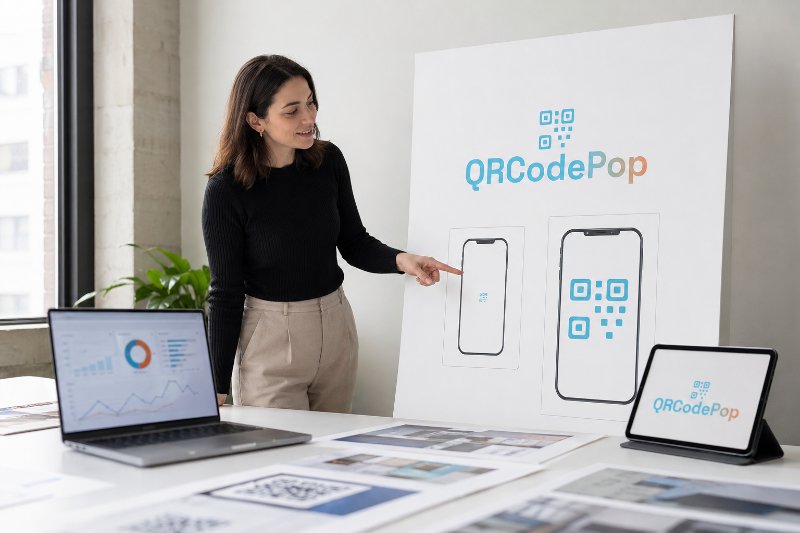
QR Code Mistakes That Kill Scan Rates
The code sends people to a generic homepage instead of the exact next step. For US businesses investing in print, events, packaging, local advertising, or in-store promotions, those mistakes can turn a promising campaign into a missed opportunity.