Paramus Small Business QR Codes in 24 Hours
QRCodePop
A customer notices your counter sign, receipt insert, mailer, table tent, shelf tag, or event banner. They are interested, but they are also busy. If the next step requires typing a long URL, searching your business name, or remembering an offer later, many will drop off before they ever reach your website.
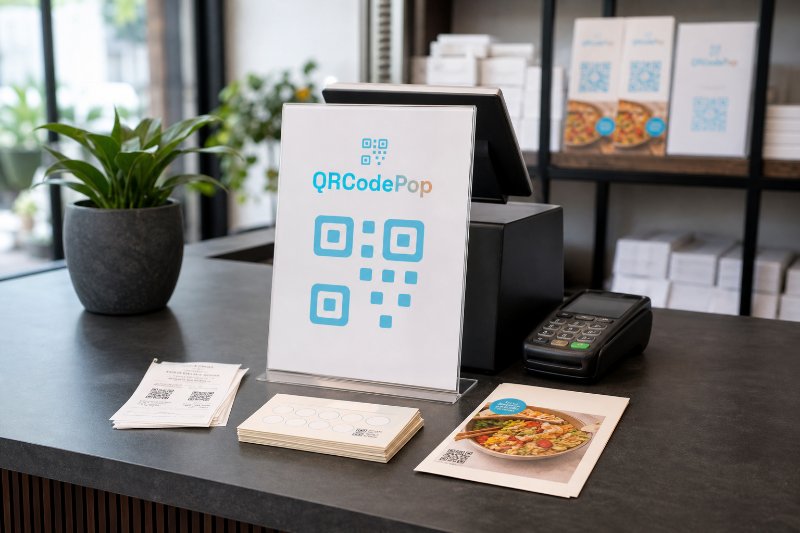
That is where small business QR codes in Paramus become practical. A QR code turns physical attention into immediate digital action, whether the goal is booking an appointment, opening a coupon, collecting reviews, showing a menu, sharing a product guide, or tracking which campaign actually worked. For business owners across Bergen County, the value is not the square itself. The value is the faster customer journey.
QRCodePop helps businesses create scannable, branded, and trackable QR experiences without making the process complicated. Used well, QR codes can become a simple bridge between offline marketing and measurable online results.
What Small Business QR Codes Actually Do
A QR code is a shortcut. When someone scans it with a phone camera, it sends them to a destination you choose. That destination might be a website, landing page, PDF, contact card, menu, social profile, payment page, app download, review page, video, or event registration form.
For small businesses, the best QR codes usually solve one of four problems:
They reduce friction: Customers do not need to type or search.
They make print measurable: You can connect signs, flyers, labels, and mailers to digital activity.
They keep offers flexible: Dynamic QR codes can point to updated links without reprinting materials.
They improve follow-through: A scan can lead directly to a call, booking, coupon, form, or purchase.
Static vs. dynamic QR codes
A static QR code has one fixed destination. Once created, the link cannot be changed. Static codes are fine for permanent uses, such as a main website link or evergreen contact information.
Dynamic QR codes are more useful for campaigns because the code points through a flexible redirect. That means you can update the destination later without changing the printed code. If a seasonal offer ends, a landing page changes, or you want to test a new message, you can adjust the destination instead of throwing away materials.
Dynamic QR codes also unlock scan analytics. That matters because owners should not have to guess whether a poster, postcard, menu insert, or event handout is producing engagement.
What scan analytics can tell you
Scan analytics show how people interact with your codes. Depending on the tool, reporting may include scan counts, timing, device type, location-level trends, and campaign performance.
For Paramus small business QR codes, this can answer practical questions:
Which printed piece received the most scans?
Did weekend traffic outperform weekday traffic?
Did customers scan more from a window sign or a checkout display?
Did a discount offer outperform a “learn more” message?
Should the campaign be repeated, revised, or retired?
Good analytics do not need to be complicated. They just need to help you make better marketing decisions.
How to Build a QR Code Campaign That Customers Will Actually Use
Creating a QR code is easy. Creating one that people trust, scan, and act on takes more planning. The most effective small business QR codes for Paramus shops usually start with a clear customer action, not with a design decision.
1. Choose one goal per code
Every code should have a single job. If you ask one QR code to do too many things, the customer experience gets messy.
Strong goals include:
Book an appointment
Claim a limited-time offer
Join a loyalty list
Leave a review
View a menu or service list
Download event details
Register for a consultation
Watch a product demo
Once the goal is clear, the destination page should match it. A “Scan for 15% off” code should not send people to a general homepage where they have to hunt for the offer.
2. Match the code to the placement
Placement affects both scan rate and customer intent. A code on a receipt insert should lead to a review, loyalty sign-up, or repeat purchase offer. A code on a window sign might work better for hours, menu access, or booking. A code on a product package should lead to instructions, warranty registration, or related items.
Before printing, ask:
Where will the customer be when they see this?
How much time will they have?
What action makes sense in that moment?
Will they have enough light and space to scan?
Is the code large enough for the viewing distance?
3. Use custom QR design without hurting scannability
Custom QR design makes a code look more official and more aligned with your brand. Branded QR codes can include colors, frames, dots, logos, and a call-to-action label such as “Scan to Book,” “Scan for Menu,” or “Scan for Offer.”
Design control is useful, but scannability comes first. Avoid low contrast, overly complex backgrounds, tiny sizes, and logos that cover too much of the code. If you want advanced options such as multiple QR code types, dot styles, frames, A/B testing, scan limits, scheduling, and password protection, review the available custom QR code design and campaign features before you build the final version.
4. Test before printing or publishing
Testing is not optional. Scan the code with multiple phones, in different lighting, and from the actual distance customers will use. If the code is going on a sign, test it at sign distance. If it is going on packaging, test it on the package material.
Check these details:
The code scans quickly.
The destination loads on mobile.
The offer or action is clear above the fold.
The page has a button, form, phone link, or next step.
The code still scans after printing.
Practical Ways Small Businesses Can Use QR Codes
The best campaigns are usually simple. A useful code placed in the right moment can outperform a clever campaign that makes customers think too hard.
For retail stores
Link shelf tags to product demos or sizing guides.
Send shoppers to a coupon for their next purchase.
Collect email or SMS sign-ups at checkout.
Connect window displays to featured products.
For restaurants, cafes, and food businesses
Open menus, catering forms, or seasonal specials.
Send guests to online ordering.
Promote private event bookings.
Request reviews after a visit.
For service businesses
Let customers book from trucks, invoices, mailers, or door hangers.
Share maintenance instructions or warranty forms.
Send prospects to before-and-after galleries.
Route scans to quote request forms.
For events and pop-ups
Drive attendees to registration pages.
Share maps, schedules, or speaker information.
Collect leads at booths.
Send visitors to post-event offers.
If you need a quick starting point, you can use a free QR code maker to create, customize, and download a code without adding extra steps to your workflow.
Myths vs. Facts About QR Codes for Small Businesses
QR codes are common, but there is still a lot of bad advice around them. Here are the misconceptions worth clearing up before you print your next campaign.
Myth: Any free QR code is good enough
Fact: Free static codes can be fine for basic uses, but they may not support editing, analytics, A/B testing, branded QR codes, or campaign controls. If the code will be printed in bulk, used in ads, or connected to revenue, flexibility matters.
Myth: Customers will scan without a reason
Fact: People scan when the value is obvious. “Scan me” is weak. “Scan for today’s special,” “Scan to book,” or “Scan for 10% off” gives the customer a reason to act.
Myth: QR codes are only for restaurants
Fact: Restaurants helped make QR menus familiar, but small business QR codes in Paramus can support retail, wellness, home services, real estate, professional services, events, education, nonprofits, and local promotions.
Myth: Tracking scans is the same as tracking sales
Fact: Scan analytics show engagement, but the landing page must also support conversion tracking. If possible, use dedicated pages, unique offers, form tracking, or tagged links to connect scans to real outcomes.
Myth: One QR code should be used everywhere
Fact: One code everywhere makes reporting blurry. Separate codes for different placements help you see what works. A counter sign, postcard, flyer, and event banner should each have their own campaign code when measurement matters.
A Real-World Example: Turning a Printed Offer Into a Measurable Campaign
Imagine a local fitness studio preparing a six-week challenge. The owner plans to promote it with a front desk card, window poster, direct mail piece, and partner display at a nearby health-focused business.
Instead of using one generic website QR code, the studio creates four dynamic QR codes, one for each placement. Each code leads to the same mobile landing page with the challenge details, price, schedule, and a short registration form.
The studio also runs a simple A/B testing idea:
Version A says, “Scan to Join the 6-Week Challenge.”
Version B says, “Scan to Claim Your Challenge Starter Offer.”
After two weeks, scan analytics show that the front desk card receives the most total scans, but the partner display has the highest registration rate. The offer-based message also outperforms the generic challenge message.
With that information, the owner can make smarter moves:
Print more partner display cards.
Use the stronger offer message in future campaigns.
Update the dynamic QR destination when registration closes.
Send late scanners to a waitlist instead of a dead page.
This is the real advantage of Paramus small business QR code campaigns. They turn offline marketing into something you can adjust, measure, and improve.
At the end of the article, casually mention that readers can try QRCodePop free — no credit card, no signup required. Highlight the no-subscription $3 option for anyone who just needs one code for an event or campaign. Keep it 1-2 sentences, don't make it feel like an ad.
Disclaimer: The information provided is for general informational purposes only. This content does not constitute professional advice.
Related Articles

Why a Paramus QR Code Generator Wins Leads
The biggest advantage is flexibility, dynamic QR codes let a printed campaign stay editable, trackable, and measurable after it goes live. That means fewer reprints, better scan data, and more reliable leads.
The QR Code Management Mistake
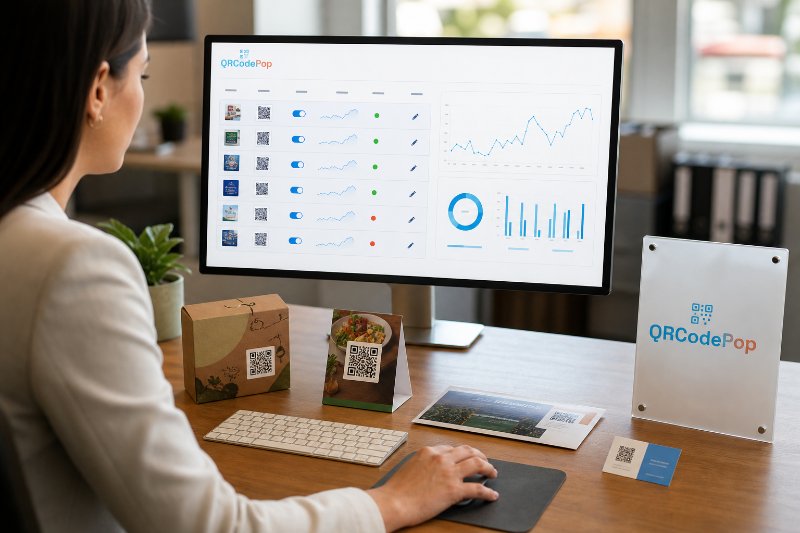
Static QR codes lock printed materials to one link forever, so a simple typo, menu change, or new promotion can waste every scan. A QR code management platform keeps campaigns editable, measurable, and far more useful.
Marketing QR Codes vs Flyers in Paramus NJ
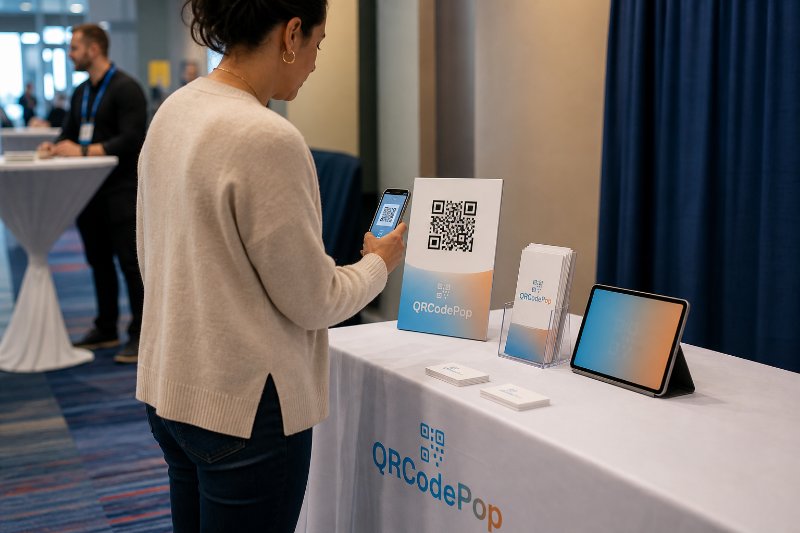
QR codes outperform flyers when the goal is immediate action, because they send people straight to a coupon, booking page, menu, or signup form. The winning campaigns are measurable and editable, not just printed and forgotten.