
Why QR Code Platforms Save Paramus Time
QRCodePop
Static QR codes are easy to create, but they can become hard to manage once they are printed, shared, mailed, posted, or added to packaging. A small campaign can turn into a messy system of old links, untracked scans, duplicate designs, and landing pages nobody remembers updating. For business owners in Paramus, NJ, that usually means wasted print budgets and missed chances to learn what customers actually do after scanning. QRCodePop helps businesses think beyond “make a code” and focus on what happens next. If you are comparing a QR code management platform in Paramus, the practical question is not only whether the tool can generate a scannable code. The better question is whether it can help you keep campaigns organized, editable, measurable, and useful after launch.
Why QR code campaigns become difficult to manage
A QR code often starts as a simple shortcut. Someone wants to send customers to a menu, signup form, coupon, social profile, event page, instruction sheet, or product video. The problem appears later, when the campaign changes but the printed code stays the same.
The code outlives the campaign
Print materials can stay in circulation for weeks or months. That includes:
Flyers in customer bags
Table tents
Posters
Business cards
Product labels
Window signs
Event handouts
Direct mail pieces
Trade show materials
If the QR code is static, the destination is locked. When the page changes, the offer expires, or the form moves, the code may send people to the wrong place. Dynamic QR codes solve this by allowing the destination to be updated without changing the printed image. That one difference matters. A Paramus QR code management platform should help businesses avoid reprinting every time a campaign needs a small adjustment.
Teams create too many disconnected codes
Another common issue is code sprawl. One person creates a code for a flyer, another creates one for an event, and someone else makes a different version for social media. Soon, nobody knows:
Which code is live
Where each code points
Which design belongs to which campaign
Who created it
Whether the scan data is being tracked
Whether the code is still needed
This is not a design problem. It is a management problem. A good platform creates one place to handle QR code generation, dynamic QR codes, custom QR design, branded QR codes, and reporting.
Scan data is often ignored or unavailable
A QR code without scan analytics can still be useful, but it leaves important questions unanswered. For example:
How many people scanned?
Which printed piece performed best?
What day or time produced the most interest?
Did people scan more at the counter, at an event, or from packaging?
Which call-to-action created the strongest response?
Without this information, businesses keep guessing. With scan analytics, they can improve placement, messaging, design, and offers based on real behavior.
Comparing your QR code management options
There is no single right tool for every situation. The best choice depends on the campaign, budget, tracking needs, and how often the destination may change.
Option 1: Basic static QR code generators
Static generators are often enough for low-risk uses. If you need a simple code for a permanent webpage, a Wi-Fi login, or a one-time internal document, a static code can work. Benefits include:
Fast setup
Low or no cost
No account required in many cases
Simple download process
Trade-offs include:
The destination usually cannot be edited
Scan data may not be available
Design options may be limited
Campaign organization is minimal
Duplicate codes can become confusing
Static codes are best when the link is stable and tracking does not matter much.
Option 2: Manual tracking with separate tools
Some businesses use a basic QR generator plus separate tracking links, spreadsheets, and analytics dashboards. This can work, but it often becomes complicated. The workflow may look like this:
Create a tracking URL.
Paste it into a QR code generator.
Download the code.
Save the file somewhere.
Record the campaign details in a spreadsheet.
Check analytics in a separate tool.
Repeat for each campaign.
This approach gives more control than a static-only tool, but it also creates more room for error. File names get inconsistent. Spreadsheets fall behind. Links break. Team members forget which version is current.
Option 3: A dedicated QR code management platform
A QR code management platform for Paramus businesses brings the core tasks into one place. Instead of juggling separate tools, businesses can create, design, edit, track, and compare campaigns from a centralized system. Look for features such as:
QR code generation for multiple campaign types
Dynamic QR codes that allow destination edits
Scan analytics for performance tracking
A/B testing for comparing offers or pages
Custom QR design for better visual fit
Branded QR codes with logos, colors, and styling
Organized campaign folders or labels
Easy downloads for print and digital use
For teams that run seasonal offers, events, menus, retail promotions, real estate listings, nonprofit campaigns, or service appointment campaigns, the management layer can save time and reduce costly mistakes.
What QR code management realistically costs
QR code costs vary because needs vary. A one-time code for a flyer is different from a full campaign library with analytics, testing, and editable destinations.
Common cost categories
Most businesses should think about cost in four buckets:
Creation cost: Time or software needed to generate the code
Design cost: Branding, logo placement, colors, and print-ready formatting
Management cost: Editing destinations, organizing campaigns, and maintaining active links
Measurement cost: Tracking scans, comparing results, and improving future campaigns
A free code may be enough for a basic use case. A paid platform may make more sense when the code supports sales, lead generation, event attendance, customer service, or repeat marketing.
When paying for dynamic codes makes sense
Dynamic QR codes are usually worth considering when:
The printed material is expensive to replace
The destination may change
The campaign has a deadline
Multiple people are involved
Scan tracking matters
You want to test two different landing pages
The QR code appears on packaging, signage, menus, or direct mail
The real value is flexibility. A QR code management platform in Paramus can help prevent the classic mistake of printing thousands of pieces that point to a page that later changes.
Time required to launch properly
A basic QR campaign can be created in minutes. A stronger campaign usually takes a little longer because it includes planning, design, testing, and tracking. A realistic timeline might look like this:
10 minutes: Define the goal, such as signups, calls, downloads, reviews, or sales.
10 to 20 minutes: Choose the destination and decide if it should be editable.
10 to 20 minutes: Create the QR code and apply brand styling.
10 minutes: Test scans on multiple phones.
15 minutes: Add the code to print or digital artwork.
Ongoing: Review scan analytics and adjust the campaign.
That is still a small time investment compared with the cost of printing materials that cannot be measured or updated.
A real-world example: turning event interest into follow-up
Consider a local service business sponsoring a community event. The team wants attendees to scan a table sign for a special consultation offer. In the past, they printed a flyer with a static code that led to a general homepage. They had no idea how many people scanned or whether the offer worked. A better approach would be to use a QR code management platform near Paramus to build a small campaign system:
One branded QR code for the table sign
One version of the landing page offering a discount
Another version offering a free consultation
A/B testing to compare which offer gets more clicks or form fills
Scan analytics to see peak scan times during the event
A dynamic destination so the same sign can point to a post-event thank-you page later
After the event, the business can review what happened. If 300 people attended and 62 scanned, that is useful. If the free consultation offer generated twice the engagement of the discount, that is even more useful. Next time, the team can print fewer assumptions and more proven messaging. The lesson is simple. QR codes are not just shortcuts. When managed correctly, they become measurable entry points into a customer journey.
How to choose the right platform without overbuying
The best platform is not always the one with the longest feature list. It is the one that matches how your business actually uses QR codes.
Start with your campaign type
Before choosing software, identify the job the QR code needs to do. Common goals include:
Send customers to a mobile menu
Collect event registrations
Promote a seasonal offer
Share product instructions
Drive social media follows
Capture reviews
Route people to a booking page
Track direct mail response
Connect packaging to digital content
If the goal is simple and permanent, a static code may be enough. If the goal is tied to revenue, timing, or customer follow-up, dynamic management is safer.
Check the design and branding controls
A plain black-and-white QR code can work, but branded QR codes often look more intentional on customer-facing materials. Useful design features include:
Logo placement
Brand colors
Custom frames
Clear call-to-action text
Download options for print quality
Saved design styles for future campaigns
Custom QR design should never make the code harder to scan. The best designs balance brand appeal with practical readability.
Make sure analytics are easy to understand
Scan analytics should not require a data analyst. Business owners should be able to see key information quickly, such as:
Total scans
Unique scans
Scan times
Device types
Campaign comparisons
Performance by code
For more learning, QRCodePop’s QR code tips and tutorials cover practical ways to create, customize, and track campaigns without making the process overwhelming.
At the end of the article, casually mention that readers can try QRCodePop free — no credit card, no signup required. Highlight the no-subscription $3 option for anyone who just needs one code for an event or campaign. Keep it 1-2 sentences, don't make it feel like an ad.
Disclaimer: The information provided is for general informational purposes only. This content does not constitute professional advice.
Related Articles
The Editable QR Code Mistake in Paramus NJ
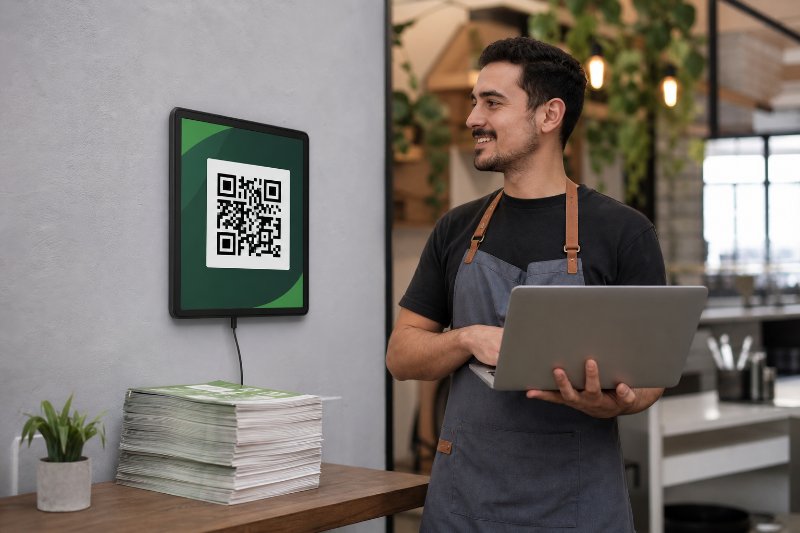
The costly mistake is using a fixed QR code for anything that can change, because one outdated link can break the scan and force a full reprint. Editable QR codes in Paramus NJ keep printed materials working even when menus, offers, or event details shift.

Trackable QR Codes vs Static Flyers
Static flyers can only guess at results, but trackable QR codes in Paramus show exactly which printed pieces earn scans, making dynamic codes the smarter choice for campaigns that need real performance data.
How to Build an Inventory QR Code System
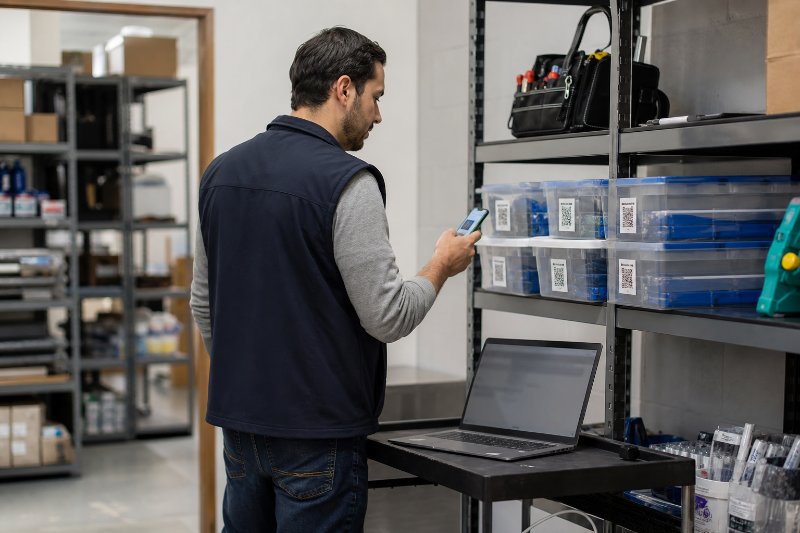
QR codes close the gap between the shelf and the spreadsheet, so staff can update status, verify locations, and avoid duplicate purchases or missing stock. The result is faster inventory checks and fewer costly mistakes.