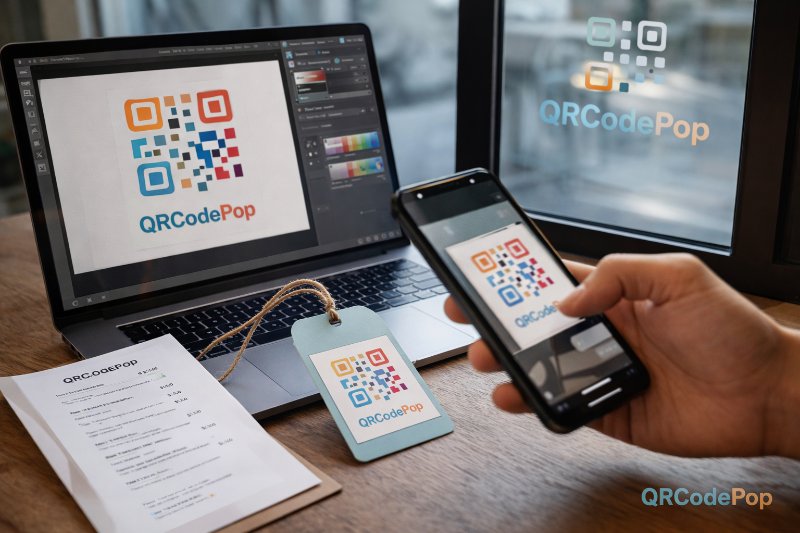
Paramus Custom QR Code Design Tips

QRCodePop
A plain black-and-white code may work, but it rarely does much for trust, recall, or conversions. When someone sees a QR code on a window, menu, flyer, product tag, or event sign, they make a fast decision. Scan it, or ignore it. That is why custom QR code design in Paramus is not just about looks. It is about getting more people to act. For local businesses that want better response from print and in-person marketing, a well-designed code can bridge the gap between attention and action. QRCodePop gives teams a practical way to handle QR code generation, dynamic QR codes, scan analytics, A/B testing, custom QR design, and branded QR codes without making the setup complicated. If you run a business in Paramus, the goal is simple, make the code easy to trust, easy to scan, and tied to a clear result.
What custom QR code design in Paramus should actually accomplish
Good design is not decoration, it is function
A custom QR code should do three things at once:
Match your brand well enough that people recognize it
Stay highly scannable on real devices
Support a business goal, such as calls, bookings, orders, signups, or store visits
That balance matters. A code that looks unique but fails to scan is a waste. A code that scans perfectly but looks generic often gets overlooked. The best results usually come from controlled customization, not extreme styling. Core elements that shape performance include:
Color contrast
Dot style
Frame style
Quiet zone, the empty space around the code
Logo placement
Call-to-action text
Size in print or on-screen
Landing page experience after the scan
If you are comparing options for custom QR code design in Paramus, focus on whether the platform lets you control those details without breaking the scan experience. A strong setup should also support dynamic QR codes, so you can change the destination later without reprinting the code.
Why dynamic codes matter more than most businesses realize
Static codes are fine for permanent information that will never change. Dynamic QR codes are usually the smarter choice for marketing because they let you update the link, file, or offer after the code is live. That opens up useful options like:
Changing a seasonal promotion without reprinting signs
Sending different users to different landing pages
Turning an old flyer into a current offer
Pausing or scheduling campaigns
Setting scan limits or password protection for gated content
For businesses trying to improve effective custom QR code design for Paramus marketing, dynamic features are often the difference between a code that merely exists and a code that performs. If you want to explore design flexibility and controls in more depth, this overview of QR code features and customization options is a helpful starting point.
Branding increases trust when it is done carefully
People scan faster when the code looks intentional. That does not mean covering it in graphics. It means making a few smart branding choices:
Use brand colors with strong contrast
Add a small logo only if it does not interfere with readability
Put the code inside a frame with a clear instruction
Match the design to the campaign, menu, event, coupon, review request, or product page
Branded QR codes often outperform generic ones because they answer the silent question in the user’s mind, “Where is this taking me?” A recognizable visual style lowers hesitation.
How to build a QR code people actually scan
A practical 6-step process
Here is a simple process that works for most businesses.
Choose one clear goal
Decide what the scan should do:
Open a menu
Claim an offer
Save contact details
Start a call
Leave a review
Download a file
Visit a landing page
Pick the right QR type
Different campaigns need different destinations. Common choices include:
URL
PDF
vCard
SMS
Wi-Fi
Google Maps
App download
Landing page
Design for trust first
Keep enough contrast, keep the quiet zone clear, and avoid shrinking the code too much. Add branding in a way that supports recognition, not clutter.
Use a direct call to action
Do not just place the code on a page and hope for the best. Add text such as:
Scan to view the menu
Scan to get today’s offer
Scan to book now
Scan for pricing
Scan to RSVP
Test before launch
Scan the code on:
iPhone and Android
Bright and dim screens
Printed proofs
Different camera apps
Various distances
Track and improve
Scan analytics and A/B testing help you compare versions. You can test:
Different frames
Different call-to-action text
Different landing pages
Placement on signs, mailers, tables, or packaging
If you need a quick walkthrough before building your first code, this guide to using a free QR code generator covers the basics clearly.
What separates an average campaign from a high-performing one
The code itself is only half the job. The landing experience matters just as much. When someone scans, the page should be:
Mobile-friendly
Fast to load
Relevant to the promise near the code
Simple to use
Focused on one next step
For example, if a poster says “Scan for 15% off,” the page should open directly to the offer. Not a generic homepage. Not a menu with ten options. Not a slow page with a popup blocking the content. That is where scan analytics become useful. They show whether people are scanning, when they scan, and which version gets better response. A/B testing lets you adjust based on data instead of guesses.
Design checklist before you print or publish
Use this checklist to catch the issues that most often reduce scans:
The code is large enough for the viewing distance
The color contrast is strong
The destination page matches the message
The call to action is visible
The code has been tested on multiple devices
The print surface does not distort or hide parts of the code
The campaign has tracking in place
The destination can be updated if needed
This is especially important for custom QR code design in Paramus because many codes appear in fast-moving retail or service environments. People make split-second decisions. Clarity wins.
Common mistakes that hurt scan rates and how to avoid them
Overdesign is the most common problem
A custom look is useful, but too much design can break function. Common mistakes include:
Low contrast colors
Tiny logos that crowd the center
Removing too much structure from the pattern
Printing the code too small
Using glossy surfaces with heavy glare
Placing the code where people cannot comfortably scan it
A good rule is simple. If the design choice makes the code harder to recognize or harder to read, skip it.
Businesses also underestimate context
Where the code appears changes how it should be built. For example:
Table tents need short, immediate actions
Window signs need larger sizing and stronger contrast
Flyers need a compelling reason to scan right now
Packaging should connect to support, instructions, or reorders
Event signage should be readable from farther away
That is why custom QR code design for Paramus campaigns should never be copied from one use case to another without adjustments.
Fast answers to common questions
Do branded QR codes still scan well? Yes, if contrast, spacing, and structure are preserved. Are dynamic QR codes worth it for small businesses? Usually yes, especially if the campaign may change or if you want tracking. Do scan analytics invade privacy? Standard analytics typically show campaign performance data, such as scan counts, timing, or device trends, not personal details. Is A/B testing overkill for a small campaign? Not at all. Even a simple test between two calls to action can improve results. Can one code be used forever? Sometimes, but marketing usually changes. Dynamic codes make updates much easier.
When custom QR code design in Paramus pays off fastest
Best-fit use cases for local businesses
Custom QR codes tend to create the fastest return when they support a real-world action. Strong examples include:
Retail displays that send shoppers to product details or coupons
Restaurants linking to menus, specials, or ordering
Events using RSVP, ticket, or schedule links
Service businesses sharing estimates, booking pages, or review requests
Real estate signs sending traffic to property pages
Direct mail campaigns tied to a single landing page
In each case, the scan replaces friction with speed. That is the real value.
Signs it is time to move beyond a basic generator
You may need a more capable solution if:
You cannot edit the destination after printing
You have no way to measure scans
Your code looks generic beside your brand materials
You want to test different offers or pages
You run seasonal or short-term campaigns
You need better control over design, scheduling, or security
If that sounds familiar, it helps to keep learning from practical examples. You can browse more ideas in these QR code tips and tutorials and apply them to your own campaigns.
Key takeaways for better QR campaigns
A high-performing QR campaign is usually built on a few simple principles:
Start with one goal per code
Use custom design to improve trust, not just appearance
Prefer dynamic QR codes when destinations may change
Add a clear call to action near the code
Test on real devices before launch
Use scan analytics to learn what is working
Run A/B testing when you want to improve results over time
Match the landing page tightly to the promise in the scan prompt
For businesses in Paramus, a smart QR strategy can turn everyday printed materials into measurable, mobile-friendly marketing. The strongest custom QR code design in Paramus is not the flashiest option, it is the one that gets scanned, supports your brand, and leads cleanly to the next step. If you want a practical place to start, QRCodePop offers an easy online path for creating and managing branded QR codes, with dynamic options and tracking when you need them. To explore what fits your campaign best, you can reach QRCodePop online through the pricing and setup page.
You can also try QRCodePop free, with no credit card, no signup required, or choose the free signup option for 7-day dynamic codes with scan tracking on the pricing page. If you only need one code for an event or short campaign, the no-subscription $3 option keeps it simple.
Disclaimer: The information provided is for general informational purposes only. This content does not constitute professional advice.
Related Articles
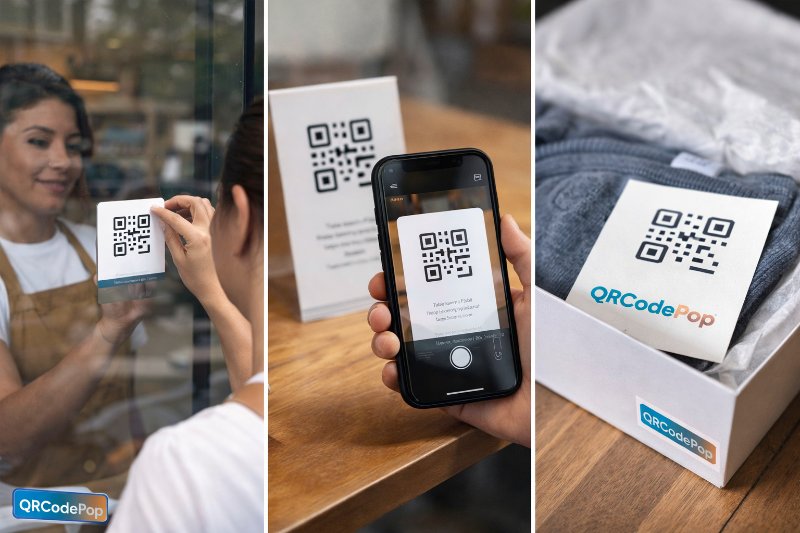
QR Code Placement Guide: Maximize Scans
For a small business, that difference matters. The same code can feel effortless on a package insert, invisible on a storefront window, helpful on a menu, and awkward on a business card if placement is not planned well.
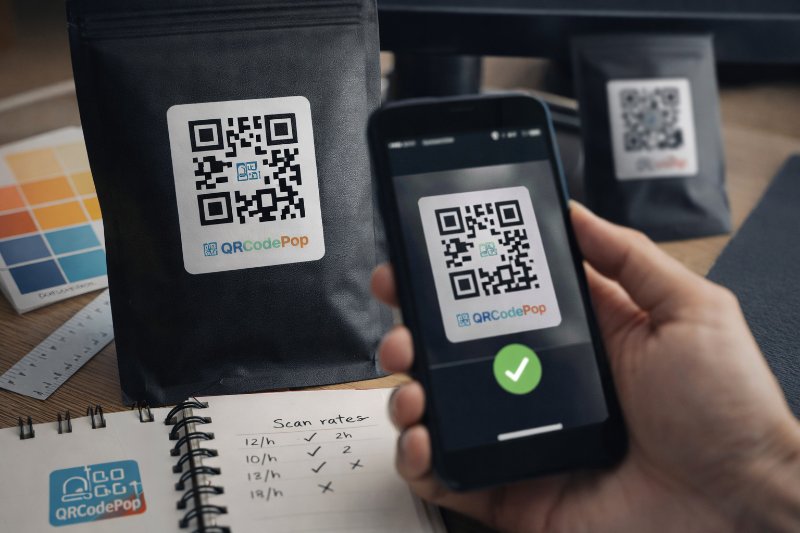
QR Code Design: 9 Best Practices for Scans
For a small business, that matters. A code that fails in the real world can waste print costs, event traffic, packaging space, and customer attention.

QR Code for Marketing: 8 Smart Uses
That sounds simple, but the real value is not the code itself. The value is removing delay, confusion, and extra clicks. But a QR code for marketing works only when the campaign around it is clear.